Defective auto parts can lead to serious accidents, injuries, and even fatalities. Learn how product liability laws protect victims and how you can seek compensation after a vehicle part failure.
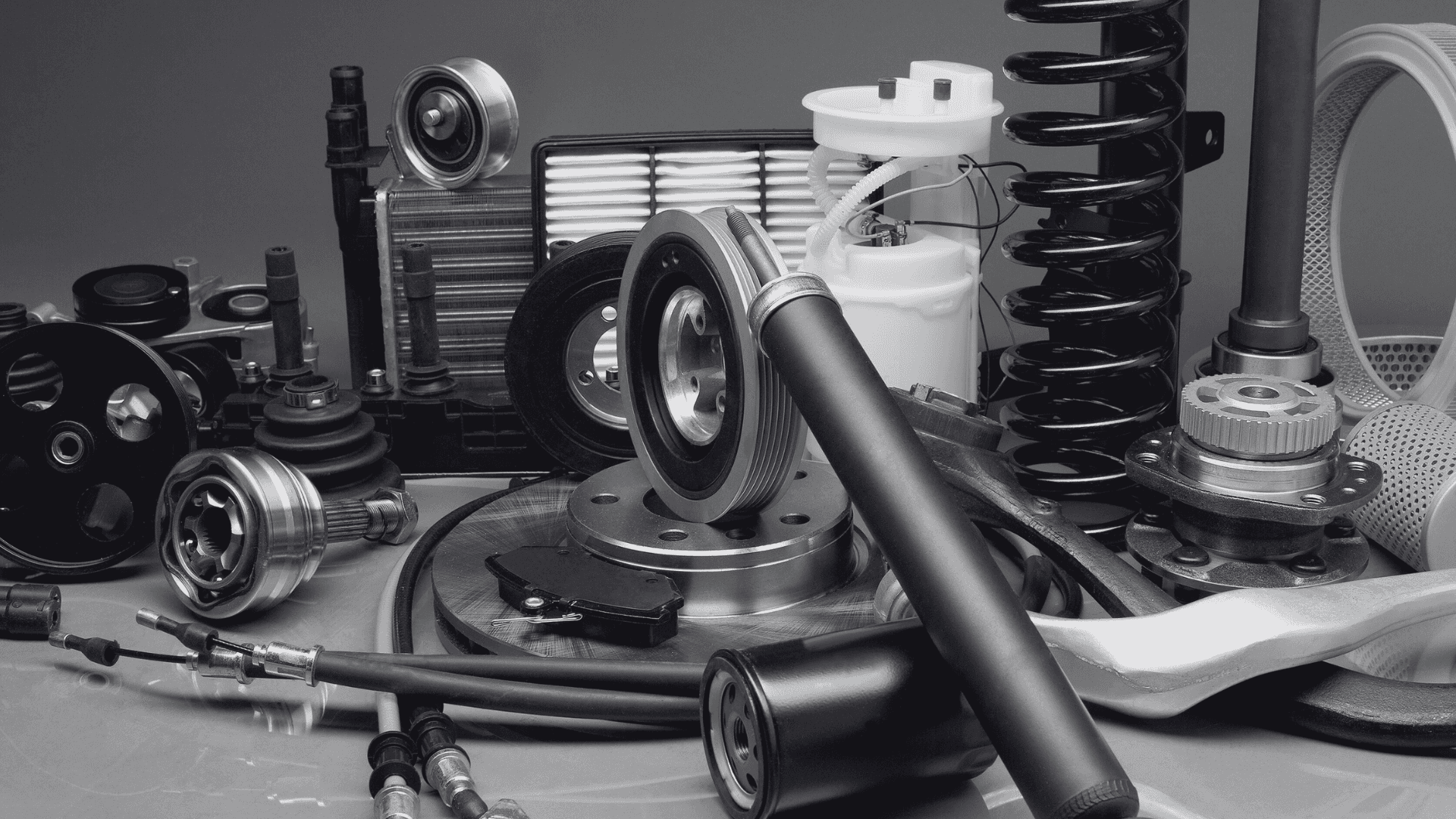
When Auto Parts Fail
Drivers rely on their vehicles to operate safely. However, when a car component is defective, the consequences can be devastating. Defective auto parts—whether due to design flaws, manufacturing errors, or lack of proper warnings—can cause crashes, rollovers, fires, and brake failures.
Under product liability law, manufacturers and sellers may be held responsible when faulty vehicle parts cause injury.
Common Defective Auto Parts
Some of the most common vehicle components linked to injury claims include:
Brake systems
Airbags
Tires
Steering systems
Accelerators
Ignition switches
Seatbelts
Fuel systems
Electronic control modules
When these parts malfunction, drivers and passengers are placed at serious risk.
Types of Auto Part Defects
Defective auto part cases generally fall into three categories:
1. Design Defects
The part is inherently unsafe due to poor engineering or flawed design.
2. Manufacturing Defects
Errors during production result in a defective component.
3. Failure to Warn
The manufacturer fails to provide adequate instructions or warnings about risks.
Even if a driver was operating the vehicle responsibly, a defective part can cause a sudden and unavoidable accident.
Injuries Caused by Defective Auto Parts
Auto part failures often lead to high-impact crashes and severe injuries, such as:
Traumatic brain injuries (TBI)
Spinal cord injuries and paralysis
Broken bones
Internal organ damage
Severe burns from vehicle fires
Amputations
Permanent disability
Wrongful death
These injuries frequently require long-term medical care and rehabilitation.
Who Can Be Held Liable?
Multiple parties may be responsible for a defective auto part injury, including:
Vehicle manufacturers
Auto part manufacturers
Component suppliers
Distributors
Dealerships or retailers
In some cases, repair shops may also share liability if improper installation contributed to the failure.
What Compensation Can You Recover?
If a defective auto part caused your injury, you may be entitled to compensation for:
Medical expenses (current and future)
Lost wages
Reduced earning capacity
Pain and suffering
Emotional distress
Property damage
Long-term disability costs
An experienced product liability attorney can help determine the full value of your claim.
What to Do After a Suspected Auto Part Failure
If you believe a defective vehicle part caused your accident:
Seek medical attention immediately
Preserve the vehicle and damaged parts (do not repair or discard them)
Obtain a copy of the accident report
Take photos of the vehicle and accident scene
Keep repair records and maintenance history
Check for product recalls
Contact a product liability attorney as soon as possible
Preserving the defective part is critical evidence in these cases.
How a Defective Auto Parts Lawyer Can Help
A lawyer can:
Investigate the mechanical failure
Work with automotive engineering experts
Review recall notices and safety reports
Identify all liable parties
Negotiate with manufacturers and insurers
File a lawsuit if necessary
Product liability cases against large manufacturers can be complex, making experienced legal representation essential.
Final Thoughts
Defective auto parts can turn an ordinary drive into a catastrophic accident. Manufacturers have a duty to design and produce safe vehicle components. When they fail, victims have the right to seek compensation for their injuries and losses.
If you or a loved one has been injured due to a faulty vehicle part, consulting an experienced attorney can help you understand your options and protect your future.