Prescription and over-the-counter medications can cause serious harm when they are defective or improperly marketed. Learn your legal rights, who may be liable, and how a dangerous drug claim can help you recover compensation.
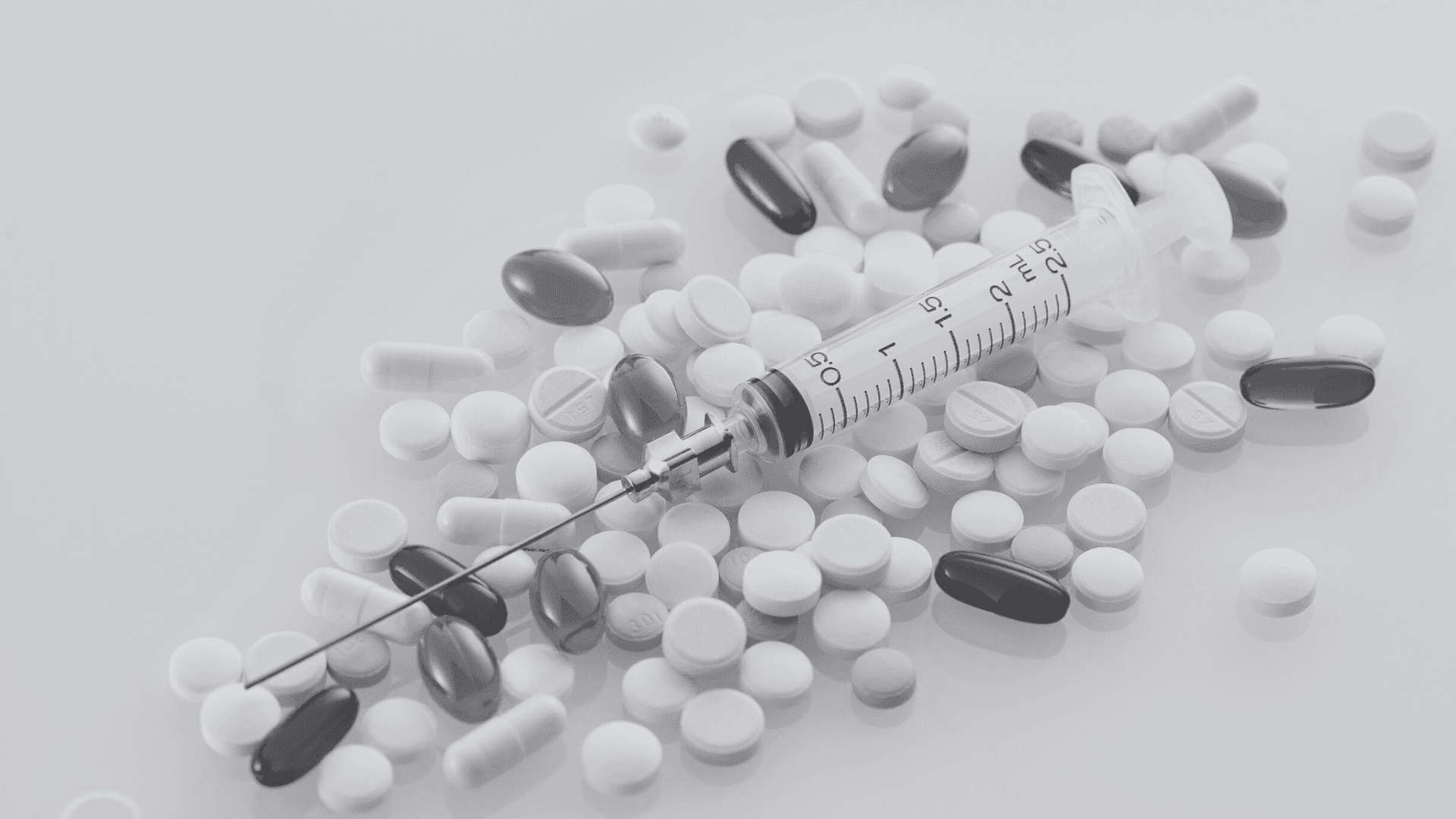
When Medications Become Dangerous
Medications are intended to treat illnesses and improve quality of life. However, some drugs cause severe side effects, unexpected complications, or long-term health problems. When pharmaceutical companies fail to properly test, manufacture, or warn about the risks of a medication, patients may suffer serious harm.
Dangerous drug and pharmaceutical claims fall under product liability law, which holds drug manufacturers accountable for unsafe medications.
Common Reasons Drugs Become Dangerous
Medications may cause harm for several reasons, including:
Inadequate testing before release
Undisclosed or hidden side effects
Dangerous drug interactions not properly warned
Manufacturing contamination or defects
Incorrect dosage instructions
Failure to update safety warnings after risks become known
Misleading marketing or off-label promotion
Pharmaceutical companies have a legal duty to ensure their products are safe and properly labeled.
Types of Dangerous Drugs Cases
Dangerous drug claims often involve:
Prescription medications with severe side effects
Recalled medications
Contaminated or defective drug batches
Drugs linked to long-term health complications
Medications causing organ damage, blood clots, or heart problems
Over-the-counter drugs with undisclosed risks
In many cases, multiple patients are affected, leading to mass tort or multidistrict litigation (MDL).
Injuries Caused by Dangerous Medications
Harmful drugs can lead to serious medical conditions, such as:
Liver or kidney damage
Heart attack or stroke
Blood clots
Internal bleeding
Severe allergic reactions
Birth defects
Neurological damage
Cancer or long-term illness
Wrongful death in severe cases
These injuries often require extensive medical treatment and ongoing care.
Who Can Be Held Liable?
Several parties may be responsible for dangerous drug injuries, including:
Pharmaceutical manufacturers
Drug designers and developers
Testing laboratories
Distributors and suppliers
Marketing companies
In some cases, healthcare providers or pharmacies may also share liability if negligence occurred.
What Compensation Can You Recover?
Victims of dangerous drugs may be entitled to compensation for:
Medical expenses and future treatment
Hospitalization and rehabilitation costs
Lost wages and reduced earning capacity
Pain and suffering
Emotional distress
Long-term disability or chronic illness
Loss of quality of life
An experienced dangerous drug attorney can evaluate the full value of your claim.
What to Do If You Were Harmed by a Medication
If you believe a drug caused your injury:
Seek medical attention immediately
Follow your doctor’s treatment plan
Keep the medication packaging and prescription details
Document your symptoms and side effects
Save medical bills and records
Check for product recalls or safety warnings
Consult a dangerous drug or product liability attorney
Proper documentation and early legal guidance are critical.
How a Dangerous Drug Lawyer Can Help
A lawyer can:
Investigate the drug’s safety history and FDA warnings
Determine whether the manufacturer failed to warn or test properly
Work with medical experts to prove the connection between the drug and your injury
Handle negotiations with pharmaceutical companies
File a lawsuit or include your case in mass litigation if applicable
Legal representation helps ensure you receive fair compensation.
Final Thoughts
Patients trust that medications are safe and effective. When pharmaceutical companies fail to meet their responsibility, the consequences can be life-changing. If you or a loved one has suffered serious side effects from a dangerous drug, you may have the right to seek compensation and hold negligent companies accountable.