Boat accidents can cause serious injuries, property damage, and even fatalities. Learn your legal rights, who may be liable, and how a personal injury claim can help you recover compensation.
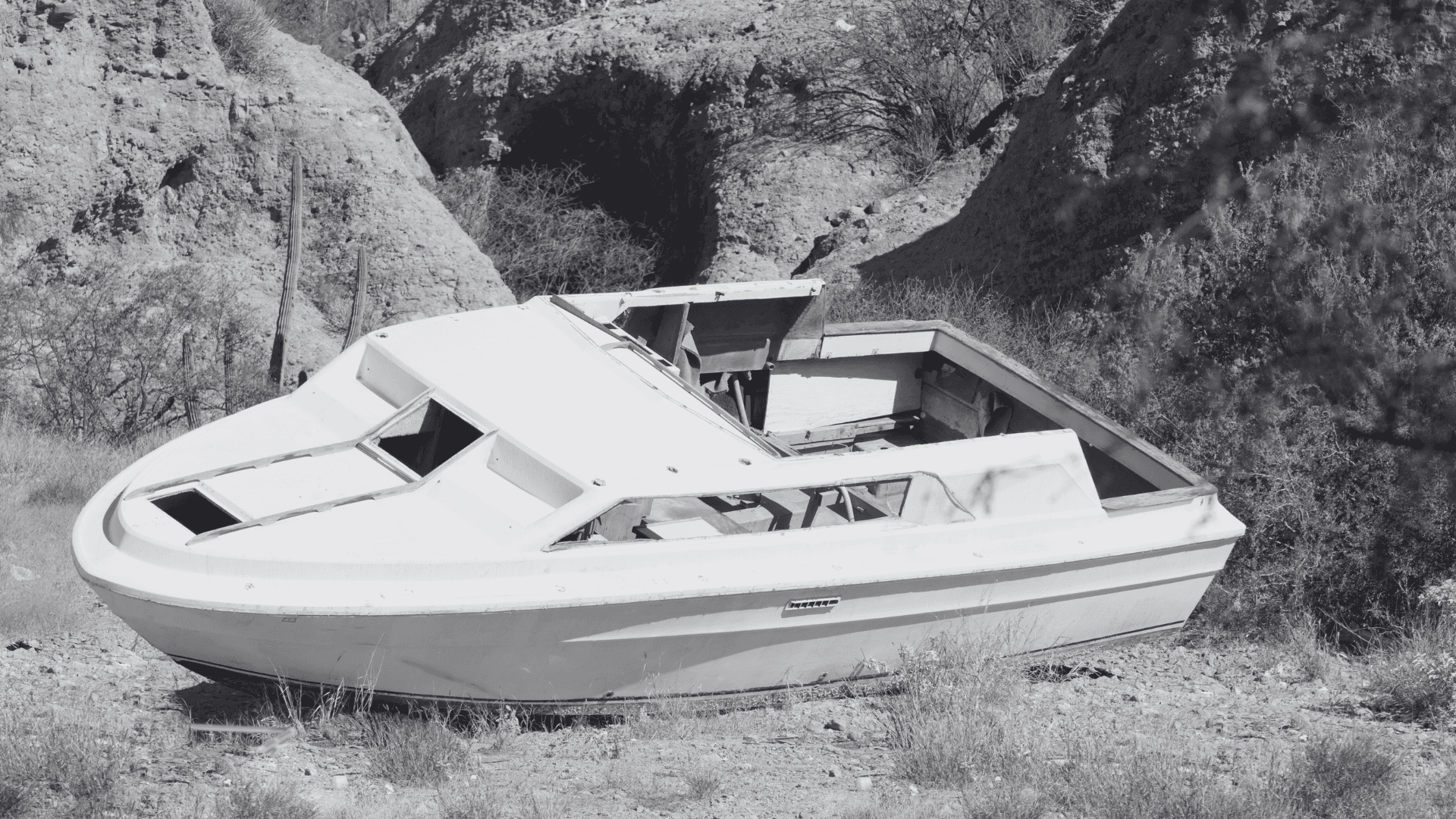
Understanding Boat Accidents
Boat accidents involve watercraft such as motorboats, jet skis, sailboats, and personal watercraft. Accidents can occur on lakes, rivers, or oceans and often result in serious injuries due to high speeds, collisions, or capsizing.
Negligence, reckless operation, lack of safety equipment, or alcohol use are common causes. If you are injured in a boat accident caused by someone else, you may be entitled to compensation under maritime or personal injury law.
Common Causes of Boat Accidents
Boat accidents often happen due to preventable actions, including:
Operator negligence or inexperience
Drunk or impaired boating
Speeding or reckless maneuvering
Failure to follow navigation rules
Overcrowding or unsafe weight distribution
Poor maintenance or mechanical failure
Hazardous weather or water conditions
Collisions with other vessels or stationary objects
Understanding the cause is crucial for determining liability.
Types of Boat Accidents
Boat accidents can take many forms, such as:
Collisions between boats
Collisions with docks, piers, or stationary objects
Capsizing or sinking accidents
Jet ski collisions
Falling overboard accidents
Passenger injuries due to sudden maneuvers or swerving
Each type of accident may involve different legal considerations.
Injuries Commonly Sustained in Boat Accidents
Because boats operate on water, injuries can be severe and life-threatening, including:
Drowning or near-drowning incidents
Traumatic brain injuries (TBI)
Spinal cord injuries and paralysis
Broken bones and fractures
Lacerations and puncture wounds
Hypothermia from prolonged water exposure
Internal injuries
Permanent disability or death
Immediate medical attention is essential to prevent further complications.
Who Can Be Held Liable?
Liability in boat accidents may extend to:
Boat operators or captains
Boat owners
Rental companies
Manufacturers of defective boats or safety equipment
Employers (if the operator was on duty)
Government agencies (if hazards like unmarked obstacles caused the accident)
Maritime law and local regulations often influence liability.
What Compensation Can You Recover?
Victims of boat accidents may be entitled to compensation for:
Medical expenses and ongoing treatment
Lost wages and reduced earning capacity
Pain and suffering
Emotional distress
Rehabilitation and therapy
Long-term care for permanent injuries
Property damage or boat replacement
Wrongful death damages in fatal accidents
An experienced maritime or personal injury attorney can help maximize your recovery.
Steps to Take After a Boat Accident
Seek immediate medical attention
Report the accident to local authorities or the coast guard
Take photos of the scene, the boat, and any damages
Collect witness information
Avoid admitting fault at the scene
Notify insurance companies (personal and boat insurance)
Contact a boat accident attorney promptly
Early action helps preserve evidence and strengthens your case.
How a Boat Accident Lawyer Can Help
A lawyer can:
Investigate the accident and determine the cause
Review boating logs, maintenance records, and safety inspections
Work with maritime safety experts
Identify all liable parties
Handle negotiations with insurance companies
File a lawsuit if necessary
Advocate for maximum compensation
Boat accident cases can be complex due to maritime laws, making legal representation essential.
Final Thoughts
Boat accidents can lead to catastrophic injuries and financial burdens. If negligence or unsafe conditions caused your accident, you have the right to seek compensation. Consulting an experienced attorney can help protect your rights, ensure fair recovery, and hold responsible parties accountable.