What to Do After a Car Accident in Beaumont: A Step-by-Step Guide
Car accidents are an unfortunate reality of daily life. Whether it’s a minor fender bender or a more serious collision, knowing the proper steps to take after an accident can significantly impact your safety, your ability to make an insurance claim, and how smoothly you recover from the situation. If you’ve been involved in a car accident in Beaumont, Texas, understanding what to do next is crucial. In this practical guide, we’ll walk you through the essential steps to take after a car accident in Beaumont, from gathering evidence to filing insurance claims.
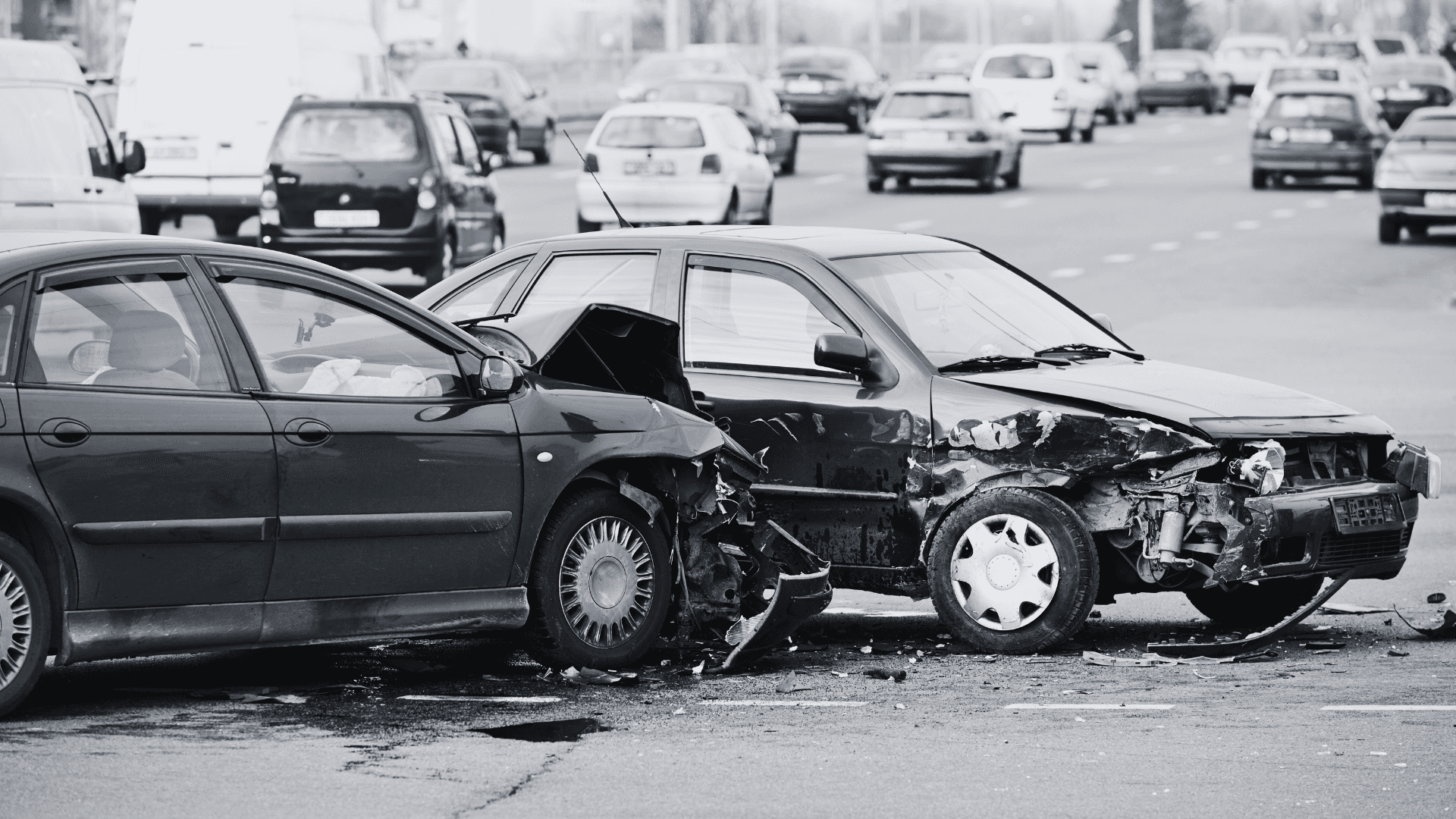
1. Ensure Your Safety and Check for Injuries
The first and most important step after a car accident is ensuring the safety of yourself and others involved in the crash. If the accident is minor and there are no serious injuries, you should still proceed with caution.
What you should do:
Move to a Safe Location: If possible, move your car out of the flow of traffic to prevent further accidents or damage. Turn on your hazard lights to alert other drivers.
Check for Injuries: Assess yourself, passengers, and others involved in the accident for injuries. If anyone appears injured, call 911 immediately for emergency medical assistance.
Remain Calm: Accidents can be stressful, but staying calm will help you think clearly and take the necessary steps.
2. Call the Police
In Texas, you are required to report an accident to the police if there are any injuries, fatalities, or significant property damage. Even if the accident seems minor, involving the police can help you in the long run by creating an official record of the incident.
What you should do:
Dial 911 and provide information about the accident, including the location, number of vehicles involved, and any injuries.
Cooperate with the police when they arrive and provide all the necessary details, but avoid admitting fault at this stage. Let the authorities investigate the incident.
3. Exchange Information with the Other Party
After ensuring safety and calling the police, it’s time to exchange information with the other driver(s). This information is vital for your insurance claim and any potential legal action.
What you should exchange:
Names and contact information: Full name, address, phone number.
Driver’s license and vehicle registration numbers: Make sure you write down the driver’s license number and the vehicle registration information of all involved parties.
Insurance information: Obtain the insurance company name, policy number, and contact details of the other driver.
Vehicle details: Make, model, and license plate numbers of the other vehicles involved.
Witness details: If there are any witnesses to the accident, collect their names and contact information as well.
4. Document the Scene
The next step is to document everything related to the accident. This includes taking photographs, writing down notes, and gathering any evidence that may help support your version of events.
What you should document:
Photos of the scene: Take clear pictures of the damage to all vehicles, the surrounding area, any skid marks, traffic signs, and road conditions. These photos can serve as evidence in your claim or if there’s a dispute over fault.
Witness statements: If there are any witnesses who can corroborate your account, ask them for statements or contact information.
Police report: If the police create a report, request a copy for your records. This report can be valuable when filing an insurance claim or if there are legal proceedings.
5. Do Not Admit Fault
It’s natural to feel the urge to apologize or admit fault, especially if you’re unsure of what happened. However, it’s important to refrain from admitting fault at the scene of the accident. Admitting fault prematurely can complicate matters, even if you are not fully responsible for the crash.
What to say:
If the other driver or anyone else asks who was at fault, politely say that the police will determine that after investigating the scene.
Stick to the facts and avoid speculating about what happened.
6. Seek Medical Attention
Even if you don’t feel injured immediately after the accident, it’s still a good idea to seek medical attention. Some injuries, such as whiplash or soft tissue injuries, may not be immediately apparent.
What to do:
Visit a doctor: Make an appointment with your primary care physician or visit an urgent care clinic. Documenting any injuries early on will help with insurance claims and any legal issues down the line.
Follow your doctor’s instructions: If you are prescribed treatment or therapy, follow your doctor’s orders and keep all medical records.
7. File an Insurance Claim
Once you’ve collected all necessary information and taken care of your medical needs, it’s time to file a claim with your insurance company. Whether you were at fault or not, you’ll need to notify your insurer about the accident.
Steps to file a claim:
Contact your insurance provider: Notify your insurer about the accident as soon as possible, ideally within 24 hours. You can file a claim over the phone, through the company’s website, or by using their mobile app, depending on their available channels.
Provide necessary details: Share all the information you’ve gathered, including your version of events, the police report, and witness statements. Be honest and thorough.
Cooperate with the insurance investigation: Your insurer may ask for additional information or documentation. Cooperating fully will help ensure a smooth claims process.
8. Consider Legal Action
In some cases, you may need to seek legal advice, especially if there are disputes about fault, significant injuries, or damages. A car accident lawyer in Beaumont can help you navigate the complexities of insurance claims, negotiate settlements, and represent you in court if necessary.
When to consult a lawyer:
Serious injuries: If you or a passenger sustained significant injuries, you may need a lawyer to help secure fair compensation for medical bills, lost wages, and pain and suffering.
Disputed liability: If the other driver denies fault or you disagree with the police report, an attorney can help gather evidence and argue your case.
Unfair settlement offers: If the insurance company offers an unfair settlement, a lawyer can help negotiate a better deal or file a lawsuit.
9. Repair Your Vehicle
Once the insurance claim process is underway, you can focus on getting your vehicle repaired. Depending on your insurance policy, your insurer may cover the cost of repairs, or you may need to pay out-of-pocket and seek reimbursement.
What you should do:
Choose a trusted repair shop: Check with your insurer to see if they have preferred repair shops or if you have the freedom to choose your own. Always choose a reputable shop that offers warranties on their work.
Get multiple repair estimates: If your insurance company is slow to approve repairs, it can be helpful to get estimates from different mechanics to speed up the process.
10. Monitor the Progress of Your Claim
After you’ve filed your insurance claim, stay in touch with your insurance company to monitor the progress. Keep a record of all communication with your insurer and any documents they request.
What to do:
Follow up regularly: Call or email your claims adjuster periodically to check the status of your claim and make sure the process is moving forward.
Review your settlement offer: Once the insurance company has completed their investigation, they’ll make a settlement offer. Be sure to review the offer carefully, and if it’s insufficient, discuss your options with a lawyer.
Conclusion
Being involved in a car accident can be a stressful and overwhelming experience, but knowing what steps to take can help you stay in control and protect your rights. By ensuring safety, gathering evidence, filing insurance claims, and seeking legal advice when necessary, you can navigate the aftermath of an accident with greater confidence.
In Beaumont, Texas, the process is no different from other parts of the state. By following these guidelines and working with trusted professionals, you’ll be better equipped to recover from the accident and move forward with your life.
Remember to drive safely and always be prepared for the unexpected!