What Makes Truck Accident Claims Different in Redlands?
Truck accident in Redlands? Markarian Law Group specializes in complex truck accident claims. Get the legal help you need now.
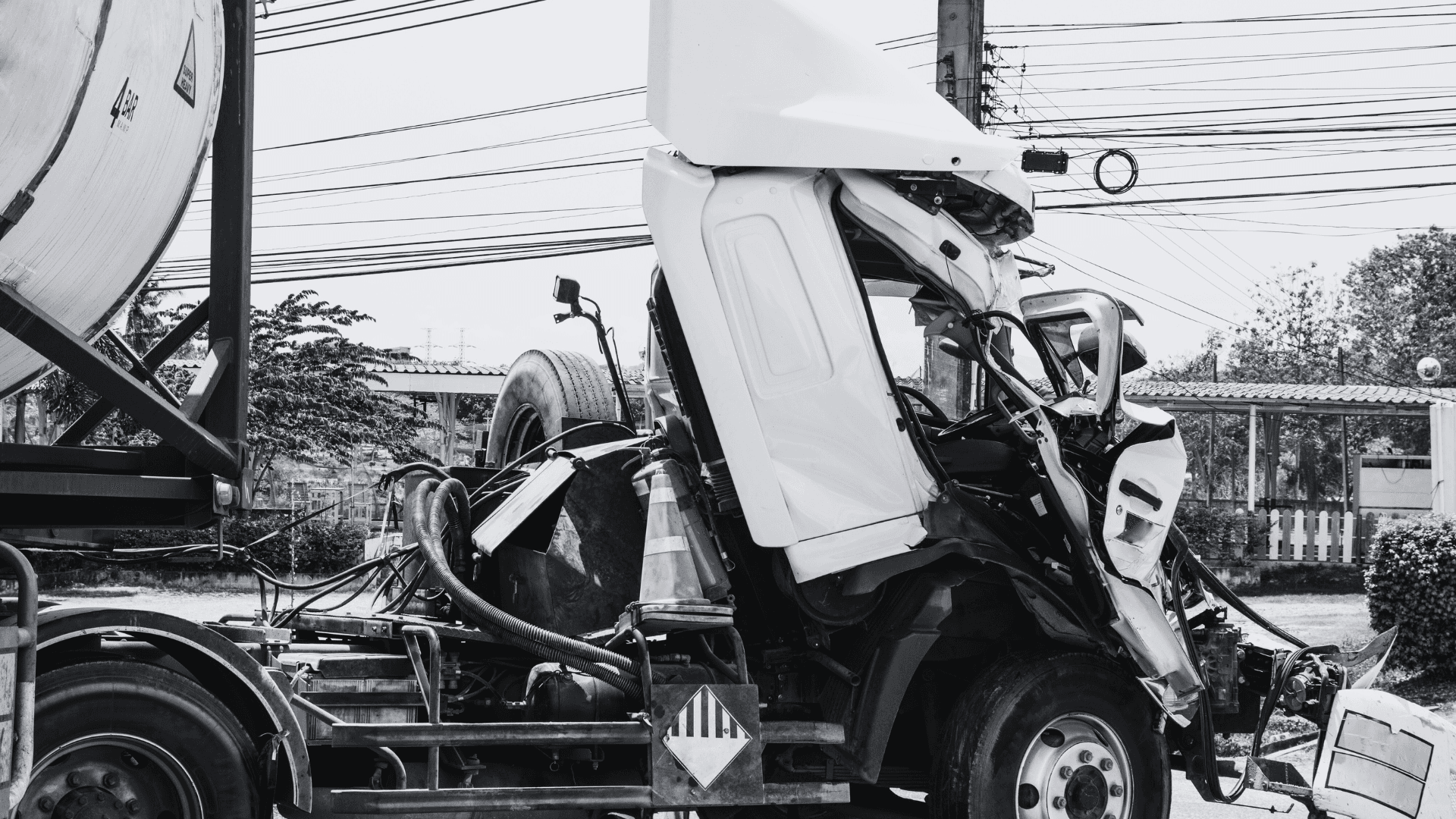
When it comes to personal injury claims, truck accidents present a unique set of challenges and complexities that distinguish them from standard car accident cases. In Redlands, California, truck accident claims are influenced by federal regulations, state laws, and specific local factors, making them particularly intricate. This blog post delves into what makes truck accident claims different in Redlands and why it’s essential to approach them with specialized legal expertise.
The Scale and Impact of Truck Accidents
One of the first things that set truck accidents apart is the sheer size and weight of commercial trucks. Semi-trucks, big rigs, and tractor-trailers can weigh up to 80,000 pounds when fully loaded, compared to the average passenger vehicle that weighs about 3,000 to 4,000 pounds. This disparity often results in catastrophic consequences in the event of a collision, including severe injuries, fatalities, and extensive property damage.
In Redlands, a city situated along major transportation corridors like Interstate 10 and State Route 210, truck traffic is a regular feature of daily life. The heavy presence of trucks increases the likelihood of accidents, particularly in areas with high congestion or challenging road conditions.
Federal Regulations: A Key Factor in Truck Accident Claims
Unlike standard car accidents, truck accident claims are governed not just by state laws but also by a robust framework of federal regulations. The Federal Motor Carrier Safety Administration (FMCSA) enforces these rules, which are designed to enhance safety and accountability within the trucking industry. Here’s how federal regulations influence truck accident claims in Redlands:
Hours of Service (HOS) Rules Truck drivers are subject to strict limits on how long they can drive without taking a break. HOS regulations aim to prevent driver fatigue, a leading cause of truck accidents. For instance, drivers are typically allowed to drive a maximum of 11 hours after 10 consecutive hours off duty. Violations of these rules can play a pivotal role in establishing liability.
Maintenance and Inspection Requirements Trucking companies are required to conduct regular maintenance and inspections to ensure their vehicles are roadworthy. Failure to comply with these standards can lead to mechanical failures and accidents, making the trucking company potentially liable.
Drug and Alcohol Testing Federal regulations mandate routine and random drug and alcohol testing for truck drivers. A driver under the influence at the time of an accident could significantly impact the outcome of a claim.
Record-Keeping Requirements Trucking companies must maintain detailed records, including driver logs, maintenance schedules, and cargo information. These records can provide critical evidence in a truck accident claim, but obtaining them often requires swift legal action.
Determining Liability: A Multifaceted Process
Another aspect that sets truck accident claims apart is the complexity of determining liability. In a typical car accident, liability usually falls on one or more of the drivers involved. However, in a truck accident, multiple parties may share responsibility, including:
The Truck Driver: If the driver’s negligence, such as speeding, distracted driving, or violating HOS rules, caused the accident.
The Trucking Company: For failing to enforce safety protocols, maintain vehicles, or properly vet and train drivers.
The Cargo Loader: If improperly secured or overloaded cargo contributed to the accident.
Manufacturers: If a mechanical defect, such as brake failure, played a role in the collision.
Third-Party Maintenance Providers: If negligent repairs or inspections led to the accident.
In Redlands, where agricultural goods and other cargo are frequently transported, the role of cargo loaders and their adherence to safety regulations can be a significant factor in determining liability.
Evidence Collection: A Race Against Time
Truck accident claims require extensive evidence collection, often more so than car accident cases. Crucial pieces of evidence may include:
Electronic Logging Device (ELD) Data: This tracks the driver’s hours of service and can reveal HOS violations.
Dashcam Footage: If available, it can provide real-time visuals of the accident.
Black Box Data: Trucks are equipped with event data recorders that log information like speed, braking, and engine performance.
Maintenance Records: These can indicate whether the truck was adequately maintained.
Witness Statements and Accident Reports: These provide additional context and corroboration.
In Redlands, where traffic cameras are present at many intersections, obtaining surveillance footage can also be invaluable. However, much of this evidence is time-sensitive, as trucking companies are only required to retain certain records for a limited period. Prompt action is crucial to preserving this evidence.
Insurance Policies: Higher Stakes
Truck accident claims often involve significantly higher insurance policies compared to car accidents. Commercial trucking companies are required by law to carry substantial liability insurance, with minimum coverage ranging from $750,000 to $5 million, depending on the type of cargo. While this means there’s more potential for compensation, it also means that insurance companies will aggressively defend against claims to minimize payouts.
Local Factors in Redlands
Redlands presents its own unique considerations for truck accident claims:
High Truck Traffic Areas: Key routes like Interstate 10 see a constant flow of commercial trucks, increasing the risk of collisions.
Proximity to Warehousing and Distribution Centers: The city’s location near logistics hubs means frequent truck movement, especially for agricultural and consumer goods.
Road Conditions: Potholes, narrow lanes, and construction zones can exacerbate the risk of accidents involving large trucks.
Local Weather: While generally mild, Redlands occasionally experiences fog or rain that can make roads more hazardous.
Why Specialized Legal Representation Matters
Given the complexities outlined above, handling a truck accident claim requires specialized legal expertise. An experienced attorney understands the interplay of federal and state laws, knows how to navigate the evidence collection process, and can identify all potentially liable parties. They can also negotiate with powerful insurance companies and, if necessary, take the case to court.
In Redlands, where truck accident cases often involve multiple parties and significant damages, having the right legal advocate can make all the difference in securing fair compensation for medical expenses, lost wages, pain and suffering, and more.
Conclusion
Truck accident claims in Redlands stand apart due to their complexity, the involvement of federal regulations, and the high stakes involved. From understanding FMCSA rules to navigating the local landscape of trucking activity, every aspect of these cases demands a thorough and strategic approach. If you or a loved one has been involved in a truck accident, consulting with a knowledgeable attorney is essential to protect your rights and maximize your recovery.
By recognizing the unique aspects of truck accident claims, you’ll be better equipped to handle the challenges they present and achieve the justice and compensation you deserve.