
Understanding Car Accident Laws in Redlands: What You Need to Know
Car accidents are an unfortunate reality on the road, and when they happen, understanding local traffic laws is crucial for protecting your rights and navigating the claims process.
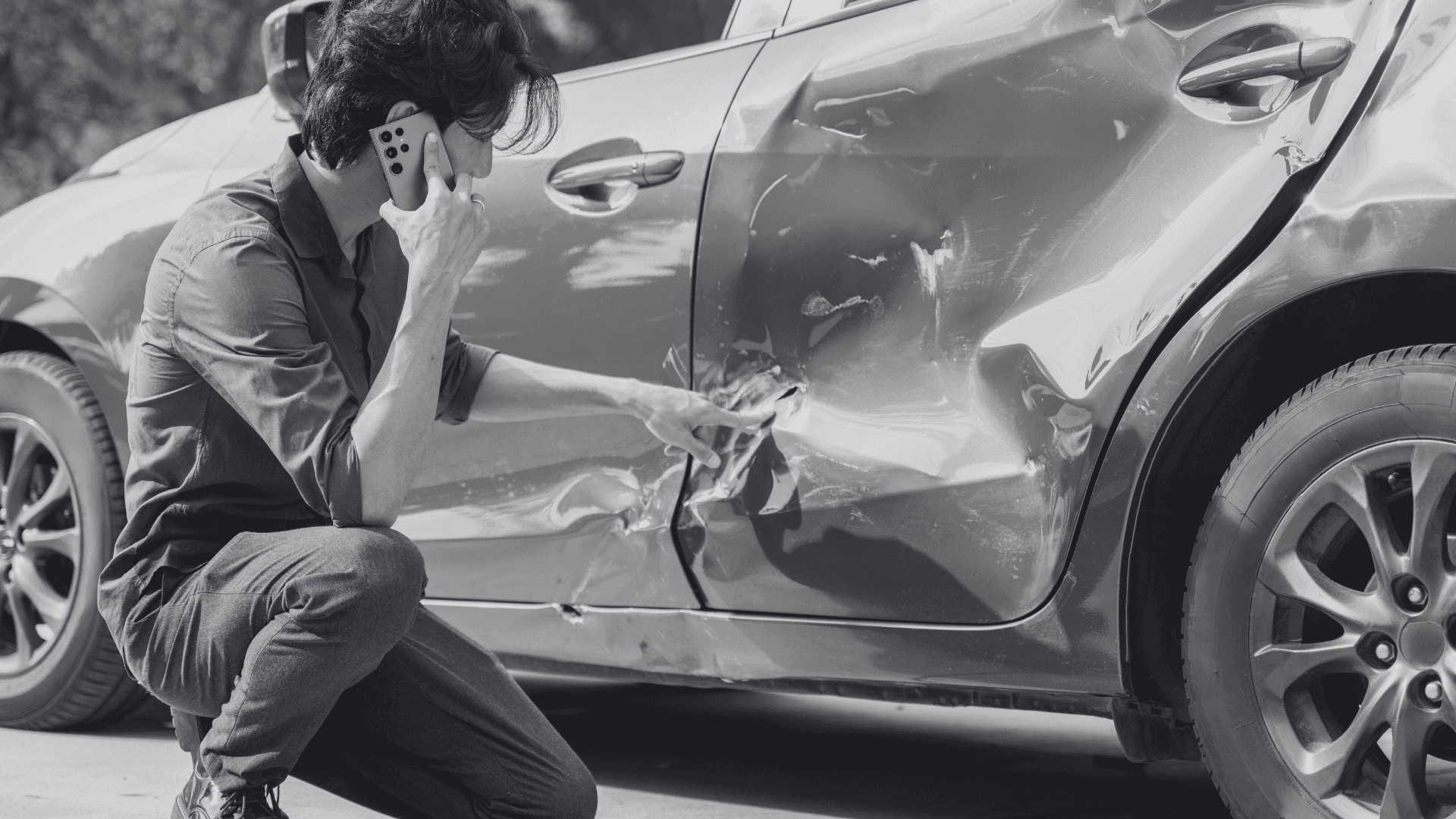
Car accidents are an unfortunate reality on the road, and when they happen, understanding local traffic laws is crucial for protecting your rights and navigating the claims process. Redlands, a city in San Bernardino County, California, has its own set of regulations and laws that influence how car accident claims are handled. Whether you are a resident of Redlands or just passing through, understanding these traffic laws can help ensure that you are well-informed if you find yourself involved in a car accident.
This blog post will break down key traffic laws that affect car accident claims in Redlands, including speed limits, right-of-way laws, DUI regulations, and other important factors. By the end of this article, you will have a clearer understanding of how these local laws play a role in your personal injury claims and liability determinations.
Speed Limits in Redlands: A Vital Element in Car Accident Claims
Speed limits are one of the most basic yet important traffic laws that impact car accidents in Redlands. The speed at which you drive has a direct influence on the likelihood of an accident and the severity of injuries sustained in the event of a crash. The California Vehicle Code outlines specific speed limits for different areas, and understanding these limits can help you avoid legal consequences.
In residential areas of Redlands, the speed limit is typically 25 miles per hour unless otherwise posted. For business districts, it may be raised to 30 miles per hour. On highways and major roads, the speed limits vary depending on the specific roadway, but most are set between 40 and 65 miles per hour. For example, Interstate 10, a major highway that runs through Redlands, has a speed limit of 65 miles per hour.
If you are involved in a car accident and were speeding at the time of the collision, it can significantly affect your car accident claim. California operates under a comparative negligence rule, meaning that if you are found partially at fault for an accident, your compensation may be reduced in proportion to your degree of fault. Speeding can be seen as a contributing factor to an accident, and if your speed exceeded the posted limit or was unsafe for the road conditions, you may be deemed partially responsible.
For example, if you are involved in a rear-end collision while speeding, the other party may argue that your excessive speed contributed to the accident, leading to a reduction in your compensation or even a dismissal of your claim in certain circumstances. On the other hand, if the other driver was speeding and caused the accident, it can serve as a key piece of evidence to establish liability.
Right-of-Way Laws in Redlands: Who’s in the Clear?
Right-of-way laws are another fundamental part of traffic laws that govern how drivers interact with each other on the road. These laws determine who has the legal right to proceed in specific driving situations, and violating them can lead to accidents and liability for damages.
In Redlands, as in the rest of California, right-of-way rules are designed to prevent confusion and ensure smooth traffic flow. Some key right-of-way rules to keep in mind are:
At Intersections:
If you are driving on a road with a stop sign, you must yield to traffic on the intersecting road if it does not have a stop sign. This means that even if you are waiting at a stop sign, you must wait until the intersection is clear before proceeding.
When you encounter a four-way stop, the driver who arrives first has the right of way. If two vehicles arrive at the intersection at the same time, the driver on the right generally has the right of way.
At uncontrolled intersections (intersections without signs or signals), vehicles on the through road have the right of way.
Pedestrian Right-of-Way:
Pedestrians always have the right of way at crosswalks, whether they are marked or unmarked. If you fail to yield to a pedestrian in a crosswalk and cause an accident, you could be held liable for their injuries.
Turning Left:
When turning left at an intersection, you must yield to oncoming traffic. This is especially important when there is no dedicated left-turn lane, as failure to yield can result in a head-on collision.
If you violate right-of-way laws and cause a car accident, you may be held liable for the damages. For instance, if you run a red light and collide with another car, you could be deemed at fault. In such cases, the other party may file a claim against your insurance or pursue a lawsuit for damages.
Understanding right-of-way laws is essential in reducing your risk of an accident and knowing what to expect when you are involved in one. Whether you are the driver or the injured party, right-of-way violations are often key factors in determining fault in car accident claims.
DUI Laws in Redlands: A Critical Factor in Car Accidents
Driving under the influence (DUI) is a serious offense in Redlands, as it is across California. DUI laws are strictly enforced to protect drivers, passengers, and pedestrians from the dangers of impaired driving. A driver who is found to be under the influence of alcohol, drugs, or both at the time of an accident can face severe consequences.
In California, a driver is considered legally impaired if their blood alcohol content (BAC) is 0.08% or higher. However, DUI laws extend beyond alcohol. Drugs—whether prescription, over-the-counter, or illicit—can also impair a driver’s ability to operate a vehicle safely, and driving under the influence of drugs is treated with the same seriousness as alcohol-related DUIs.
When it comes to car accident claims, DUI drivers are typically held fully liable for any damages caused by their actions. If the driver who caused the accident was intoxicated or impaired, their insurance company may refuse to cover the costs of damages, and the injured party may be able to pursue additional compensation in a lawsuit. In fact, victims of DUI-related accidents may be entitled to punitive damages, which are meant to punish the wrongdoer for their reckless behavior.
If you are involved in an accident with a driver suspected of DUI, the police will likely administer sobriety tests at the scene or transport the driver to a police station for further testing. The results of these tests will play a significant role in determining liability for the accident. In cases where the intoxicated driver is at fault, their insurance may not fully cover your medical bills, property damage, and lost wages, but you can pursue compensation through legal channels.
Insurance Requirements in Redlands: The Basics
In addition to understanding traffic laws, it is important to be aware of California’s insurance requirements. All drivers in Redlands are required to have liability insurance, which covers damages to other parties in the event of an accident. The minimum coverage required in California is:
$15,000 for injury or death to one person
$30,000 for injury or death to two or more people
$5,000 for property damage
While these minimums may meet legal requirements, they often fall short in covering the full costs of a serious car accident. If the at-fault driver lacks adequate insurance or is uninsured, you may need to rely on your own insurance policy or pursue a lawsuit to recover damages.
What to Do After a Car Accident in Redlands
If you are involved in a car accident in Redlands, it’s important to take the following steps to protect yourself legally:
Check for injuries: First, check for injuries to yourself and others involved. Call 911 if necessary.
Contact law enforcement: Police should be notified to investigate the scene, especially if there is significant damage or if a violation of traffic laws (such as speeding or DUI) is suspected.
Document the scene: Take photos of the accident scene, vehicle damage, and any visible injuries. Gather information from other drivers, passengers, and witnesses.
Seek medical attention: Even if you don’t feel injured immediately, some injuries (like whiplash) may not appear right away. Getting checked by a medical professional is important for both your health and your claim.
Contact your insurance company: Notify your insurer as soon as possible after the accident to begin the claims process.
Consult a lawyer: If the accident involves serious injuries, disputes over fault, or insurance issues, it’s a good idea to consult with a car accident attorney.
Conclusion
Navigating a car accident claim in Redlands requires an understanding of local traffic laws, including speed limits, right-of-way rules, and DUI regulations. By familiarizing yourself with these laws, you can reduce your risk of being involved in an accident and ensure that you are prepared in case one happens. Remember that the laws and legal processes surrounding car accidents can be complex, so don’t hesitate to seek professional advice if you are ever in doubt.