Understanding Car Accident Laws in Beaumont: What You Should Know
Car accidents can be devastating, both physically and financially. Whether you’re involved in a minor fender-bender or a more serious collision, understanding the laws surrounding car accidents in Beaumont, Texas, can help protect your rights and guide you through the legal processes involved. In this post, we’ll explore key aspects of Beaumont’s car accident laws, including insurance requirements, how fault is determined, and the rights of accident victims.
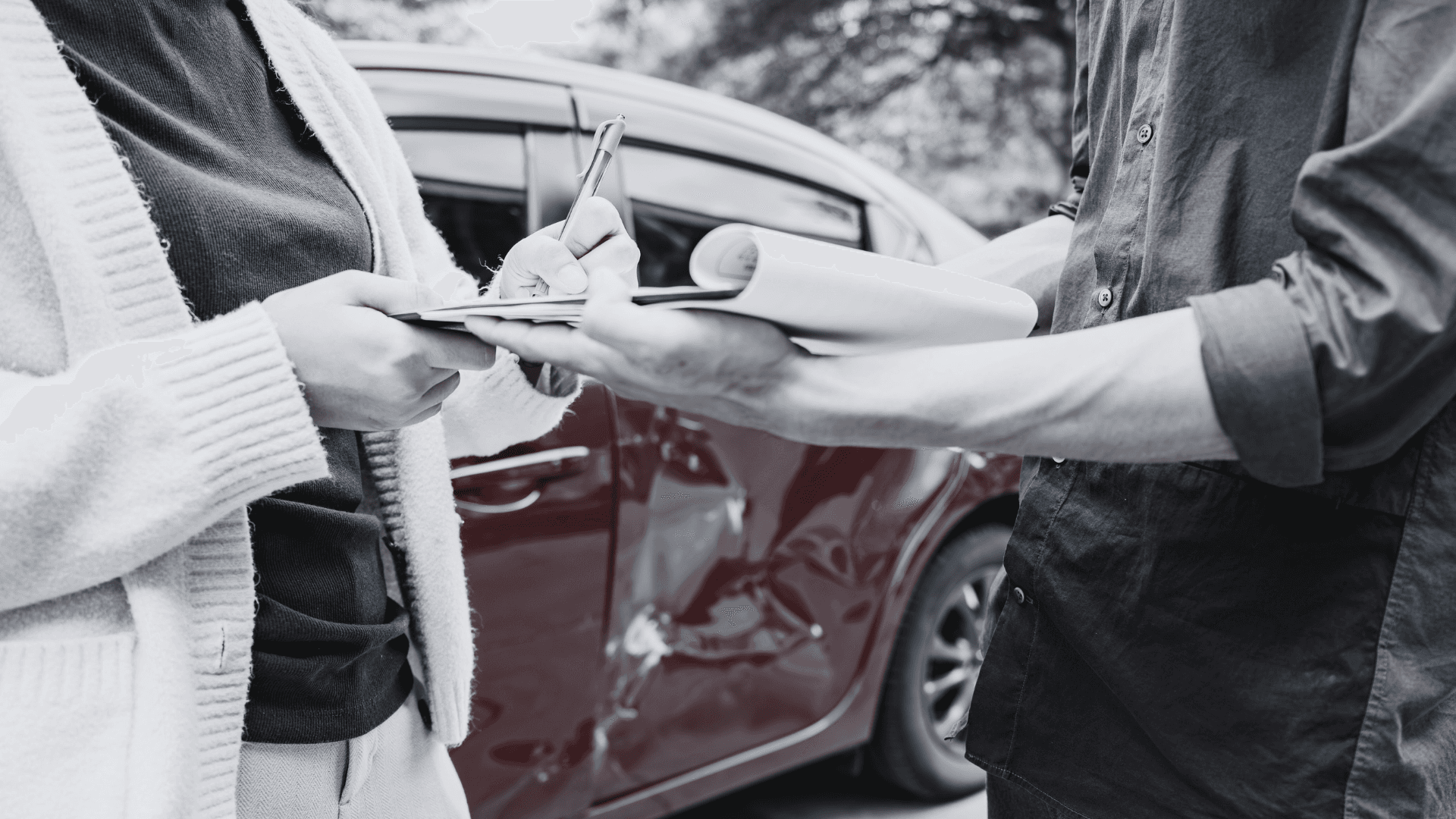
1. Overview of Car Accident Laws in Beaumont, Texas
Beaumont, a city located in Southeast Texas, follows state laws when it comes to car accidents. However, there are local nuances that residents and visitors must understand to ensure they’re properly protected in case of an accident. Texas, including Beaumont, follows a tort-based system for car accidents, which means that the party found at fault for the accident is responsible for compensating the other party or parties involved.
Understanding how the law works in Beaumont is vital for anyone involved in an accident, whether they’re a driver, passenger, pedestrian, or cyclist.
2. Insurance Requirements in Beaumont
Texas law requires all drivers to carry certain types of car insurance. These requirements are in place to protect both drivers and other individuals on the road in the event of an accident.
a. Minimum Coverage Requirements
In Beaumont, the state of Texas mandates that drivers carry the following minimum levels of car insurance coverage:
Bodily Injury Liability: $30,000 per person and $60,000 per accident for injuries sustained by others in an accident you caused.
Property Damage Liability: $25,000 to cover damage to another person’s property, such as their car or fence, in an accident you caused.
These minimums are designed to ensure that drivers have at least basic coverage in the event of an accident. However, it’s worth noting that the minimum coverage amounts may not be sufficient to cover all expenses, especially in severe accidents with significant medical bills and property damage. For this reason, many Beaumont drivers choose to purchase additional coverage, such as:
Personal Injury Protection (PIP): This covers medical expenses for you and your passengers regardless of who is at fault in the accident.
Uninsured/Underinsured Motorist Coverage: This helps if you’re involved in an accident with a driver who either doesn’t have insurance or doesn’t have enough insurance to cover your damages.
Collision and Comprehensive Coverage: These types of insurance cover damage to your own vehicle, either from a collision or non-collision event (such as theft, vandalism, or natural disasters).
b. Proof of Insurance
Texas law requires drivers to show proof of insurance when requested by law enforcement officers, and drivers must carry proof of insurance in their vehicles. If you’re involved in a car accident in Beaumont and you cannot show proof of insurance, you could face penalties, including fines and the suspension of your driver’s license. Additionally, if you’re found at fault in an accident and do not have insurance, you may be personally liable for damages, which could result in a costly lawsuit.
3. Fault Determination in Beaumont Car Accidents
One of the most important aspects of car accident law in Beaumont is the determination of fault. Texas follows a system called comparative fault, meaning that fault in an accident can be divided among all parties involved. The amount of compensation you’re entitled to depends on your degree of fault in the accident.
a. Determining Fault
In a typical car accident, law enforcement officers will arrive at the scene and gather information from the drivers, witnesses, and other parties involved. They will typically complete a police report, which can help determine the cause of the accident and whether any laws were violated (such as running a red light or failing to yield). However, the report alone doesn’t necessarily determine fault for insurance or legal purposes.
In Beaumont, the determination of fault is also influenced by evidence, such as:
Dashcam footage or surveillance video from nearby buildings or traffic cameras.
Witness statements from those who observed the accident.
Traffic citations issued to the driver at fault.
Accident reconstruction experts who can analyze the scene and provide professional testimony about the cause of the accident.
b. Comparative Fault
In Texas, the comparative fault rule means that each driver can be assigned a percentage of blame for an accident. If you are partially at fault in an accident, your compensation for damages will be reduced by the percentage of fault you are assigned. For example, if you are found to be 20% at fault in an accident, your compensation for medical bills and property damage will be reduced by 20%.
This rule is especially important in accidents where both drivers share responsibility for the collision. Understanding how fault is determined is crucial, as it can directly impact your ability to recover compensation.
4. What Happens After a Car Accident in Beaumont?
If you’re involved in a car accident in Beaumont, there are several important steps to take in order to protect your legal rights and ensure that you follow the law properly.
a. Seek Medical Attention
Your health and safety should always be your first priority. Even if you don’t feel injured immediately after the accident, it’s crucial to seek medical attention as soon as possible. Some injuries, such as whiplash or internal injuries, may not be immediately apparent. Failure to seek medical treatment can also weaken your claim if you later decide to pursue compensation for your injuries.
b. Call the Police
In Beaumont, as in the rest of Texas, you are required to report car accidents to the police if there are injuries or significant property damage. When the police arrive at the scene, they will complete an accident report, which can serve as important evidence in any legal or insurance proceedings. Be sure to get a copy of the report and any contact information for witnesses.
c. Exchange Information
Make sure to exchange information with the other driver(s), including:
Full name
Address
Phone number
Insurance information
Driver’s license number
License plate number
You should also collect the names and contact details of any witnesses who saw the accident.
d. Notify Your Insurance Company
After the accident, notify your insurance company as soon as possible. Failing to do so could result in a denial of your claim. Your insurer will investigate the accident, and if you were not at fault, they will pursue compensation from the other driver’s insurance company.
e. Consult an Attorney
If you’ve been injured or are facing significant property damage, consulting a Beaumont car accident attorney can help protect your rights. A skilled attorney can help you navigate the complex legal process, negotiate with insurance companies, and, if necessary, pursue a lawsuit against the at-fault party.
5. How Car Accident Laws Impact Victims
For victims of car accidents in Beaumont, the legal landscape plays a significant role in the recovery process. Texas law allows accident victims to seek compensation for a variety of damages, including:
Medical expenses (past and future)
Lost wages due to time off work
Pain and suffering resulting from injuries
Property damage (repair or replacement of your vehicle)
Disability or disfigurement if the accident leads to long-term or permanent injury
In cases where the other driver was grossly negligent (e.g., driving under the influence of alcohol or drugs), victims may also be entitled to punitive damages, which are designed to punish the at-fault party and deter future negligent behavior.
Conclusion
Understanding car accident laws in Beaumont, Texas, is crucial for both drivers and accident victims. By adhering to the state’s insurance requirements, understanding the process of fault determination, and taking the right steps after an accident, you can protect your rights and ensure you receive the compensation you deserve. Remember to seek medical attention, report the accident to the authorities, and consult with an experienced attorney to navigate the legal complexities of your case. Whether you’re involved in a minor collision or a serious accident, knowing the ins and outs of car accident laws in Beaumont can make all the difference in your recovery.