Truck Accidents in Beaumont: Why They’re Different from Regular Car Accidents
Truck accidents are one of the most serious types of motor vehicle collisions, often leading to significant property damage, severe injuries, or even fatalities. In Beaumont, Texas, truck accidents present a unique set of challenges that differentiate them from regular car accidents. From the complex legal aspects of liability, involving trucking companies and drivers, to the specific nature of the accidents themselves, truck accidents require specialized legal knowledge and experience to navigate. In this blog post, we will explore why truck accidents in Beaumont are different from regular car accidents and why specialized legal representation is critical to securing justice for victims.
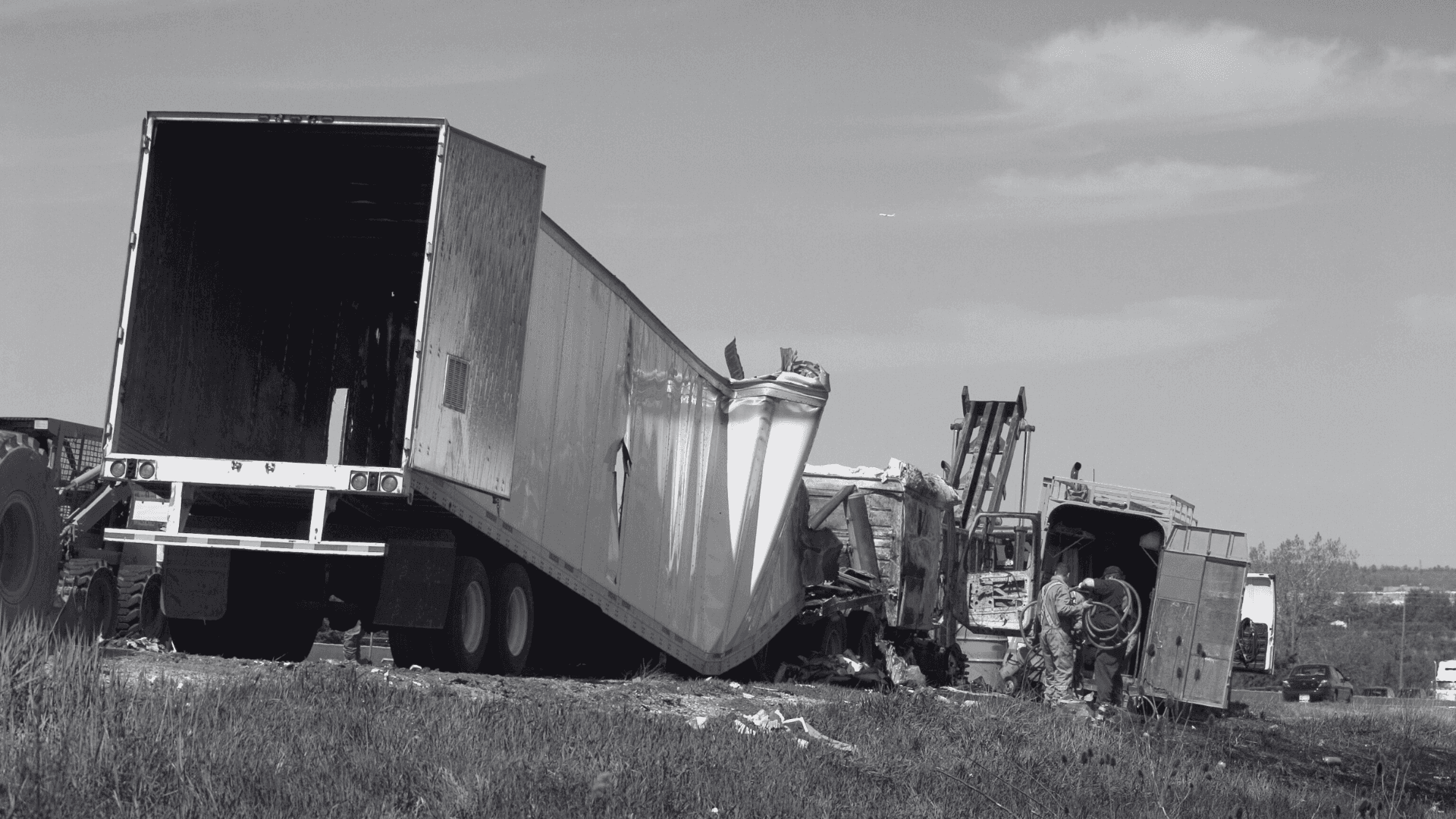
Truck accidents are one of the most serious types of motor vehicle collisions, often leading to significant property damage, severe injuries, or even fatalities. In Beaumont, Texas, truck accidents present a unique set of challenges that differentiate them from regular car accidents. From the complex legal aspects of liability, involving trucking companies and drivers, to the specific nature of the accidents themselves, truck accidents require specialized legal knowledge and experience to navigate. In this blog post, we will explore why truck accidents in Beaumont are different from regular car accidents and why specialized legal representation is critical to securing justice for victims.
The Basics: What Makes Truck Accidents Different?
At a glance, a truck accident may seem similar to any other car accident, but there are key differences that make them more complicated. Large trucks, such as 18-wheelers, big rigs, or semi-trucks, are much bigger and heavier than standard passenger vehicles. Their size alone makes them more prone to causing catastrophic damage in a crash. Furthermore, trucks are subject to a different set of regulations compared to regular cars, and the drivers behind the wheel often operate under strict rules that must be followed for safety. When a truck accident occurs, the aftermath involves multiple parties, intricate legal considerations, and a higher likelihood of life-changing injuries.
Key Differences Between Truck Accidents and Car Accidents
Size and Weight Disparity Trucks are significantly larger and heavier than regular vehicles, with some weighing up to 80,000 pounds when fully loaded. This weight difference contributes to the severity of injuries, especially when smaller passenger vehicles are involved. Collisions with large trucks often result in greater property damage and more severe physical harm. In some cases, victims may suffer lifelong disabilities or fatalities due to the overwhelming force of the impact.
Truck-Specific Regulations Commercial trucks are subject to stringent federal and state regulations designed to keep both truck drivers and other road users safe. The Federal Motor Carrier Safety Administration (FMCSA) oversees regulations such as hours of service (HOS) rules, truck maintenance standards, and truck driver qualifications. Any violation of these regulations—whether intentional or due to negligence—can contribute to a truck accident. For example, if a driver exceeds the allowable driving hours or fails to perform routine maintenance, these factors can increase the likelihood of an accident.
Increased Likelihood of Multiple Liable Parties In a typical car accident, liability is usually straightforward—either the driver was at fault or there was a contributing factor such as weather or road conditions. However, in a truck accident, there are often multiple parties who may share responsibility for the crash. These include the truck driver, the trucking company, maintenance contractors, cargo loaders, and even manufacturers of defective truck parts. This added complexity can make it much harder to determine liability without a thorough investigation and legal expertise.
Liability Issues in Truck Accidents
One of the most significant differences between truck accidents and regular car accidents is the question of liability. In car accidents, liability is often limited to the driver and their insurance company. However, in a truck accident, the complexity of the situation can involve many different parties, leading to multiple layers of liability.
1. The Truck Driver
The first party in any truck accident case is, of course, the truck driver. Drivers can be held liable if they were negligent, reckless, or violated traffic laws. Common reasons for truck driver negligence include driving under the influence of alcohol or drugs, distracted driving, speeding, or failing to follow traffic signals. However, proving that a truck driver is at fault is just the beginning of the process.
2. The Trucking Company
In many cases, the trucking company that employs the driver may also be held responsible for the accident. This can happen when the company fails to ensure that its drivers are properly trained, are driving safely, or are complying with regulatory requirements. Additionally, if a trucking company pressures its drivers to violate safety regulations (e.g., driving beyond the legal limits of hours of service), they can be held liable for the resulting accident.
The trucking company may also be at fault if the accident was caused by poorly maintained vehicles or improperly loaded cargo. Companies are required to regularly inspect and maintain their fleet, and a failure to do so could contribute to an accident. This is particularly critical when mechanical failure, such as tire blowouts, brake malfunctions, or faulty transmissions, leads to a crash.
3. Cargo Loaders
In some cases, the party responsible for loading the cargo onto the truck can also be held liable. If cargo is improperly loaded or not secured correctly, it can cause a truck to become unstable or even lead to rollovers. Shifting or falling cargo can create dangerous conditions on the road, putting everyone around the truck at risk.
4. Truck Manufacturers
Defective truck parts are another potential source of liability. If a truck accident occurs due to a mechanical failure caused by faulty equipment, such as defective tires, brakes, or engines, the manufacturer of the defective part could be held accountable. In these cases, a product liability claim may need to be filed alongside the personal injury or wrongful death claim against the truck driver or trucking company.
Complexities of Investigating Truck Accidents
Truck accidents are inherently more complicated to investigate than regular car accidents. Because of the multiple potential parties involved, a detailed investigation is essential to uncover all the factors that may have contributed to the crash. A skilled attorney will know how to:
Obtain critical evidence such as logbooks, maintenance records, GPS data, and driver communication logs to determine whether the driver was following the necessary regulations (e.g., hours of service rules).
Interview witnesses and experts to reconstruct the accident scene and identify any contributing factors, such as road conditions or mechanical failures.
Examine the truck’s black box—much like an airplane’s black box—to analyze vehicle performance, including speed, braking patterns, and any mechanical failures.
Evaluate the truck’s maintenance history to see if any failures were the result of inadequate upkeep or negligence on the part of the trucking company.
In many truck accident cases, an experienced attorney will need to hire accident reconstructionists, safety experts, or mechanical engineers to ensure that all contributing factors are identified. Without these specialized resources, critical information may be overlooked, which could have a direct impact on the outcome of the case.
Why Specialized Legal Knowledge Is Essential
Truck accident cases require more specialized legal knowledge than typical car accidents due to the complexity of the regulations and the potential for multiple liable parties. An attorney with experience handling truck accident cases will know how to navigate the complex web of federal and state regulations governing the trucking industry.
Additionally, truck accident claims often involve higher stakes. Victims of truck accidents tend to suffer more severe injuries, which may require long-term medical care, rehabilitation, or even lifetime care. In such cases, obtaining the maximum compensation is crucial, and that requires a deep understanding of how to handle the legal, medical, and financial aspects of these claims.
Moreover, trucking companies and their insurers often have substantial legal resources at their disposal, which can make it difficult for an individual to successfully pursue a claim on their own. A skilled attorney will know how to level the playing field by effectively negotiating with insurance companies, using expert testimony, and building a strong case to prove fault.
Conclusion
Truck accidents in Beaumont are significantly more complex than regular car accidents, and they require specialized legal knowledge to ensure that victims receive the compensation they deserve. The potential for multiple parties to be at fault, combined with the strict regulations governing the trucking industry, makes these cases particularly challenging. If you or a loved one has been involved in a truck accident, it’s crucial to work with an experienced attorney who understands the unique challenges of these cases and can help you navigate the complex legal process. By having the right legal representation, you can ensure that your case is handled with the expertise it deserves, giving you the best chance at obtaining a fair settlement or verdict.