The Dangers of Truck Accidents on Beaumont Highways: Statistics and Prevention
Beaumont, Texas, situated in the southeastern part of the state, serves as a vital hub for commerce and transportation. Its strategic location along major highways, particularly Interstate 10, makes it a critical point for the movement of goods. However, this heavy traffic also brings significant risks, especially concerning truck accidents. Understanding the statistics and implementing preventive measures are essential to enhance road safety for all users.
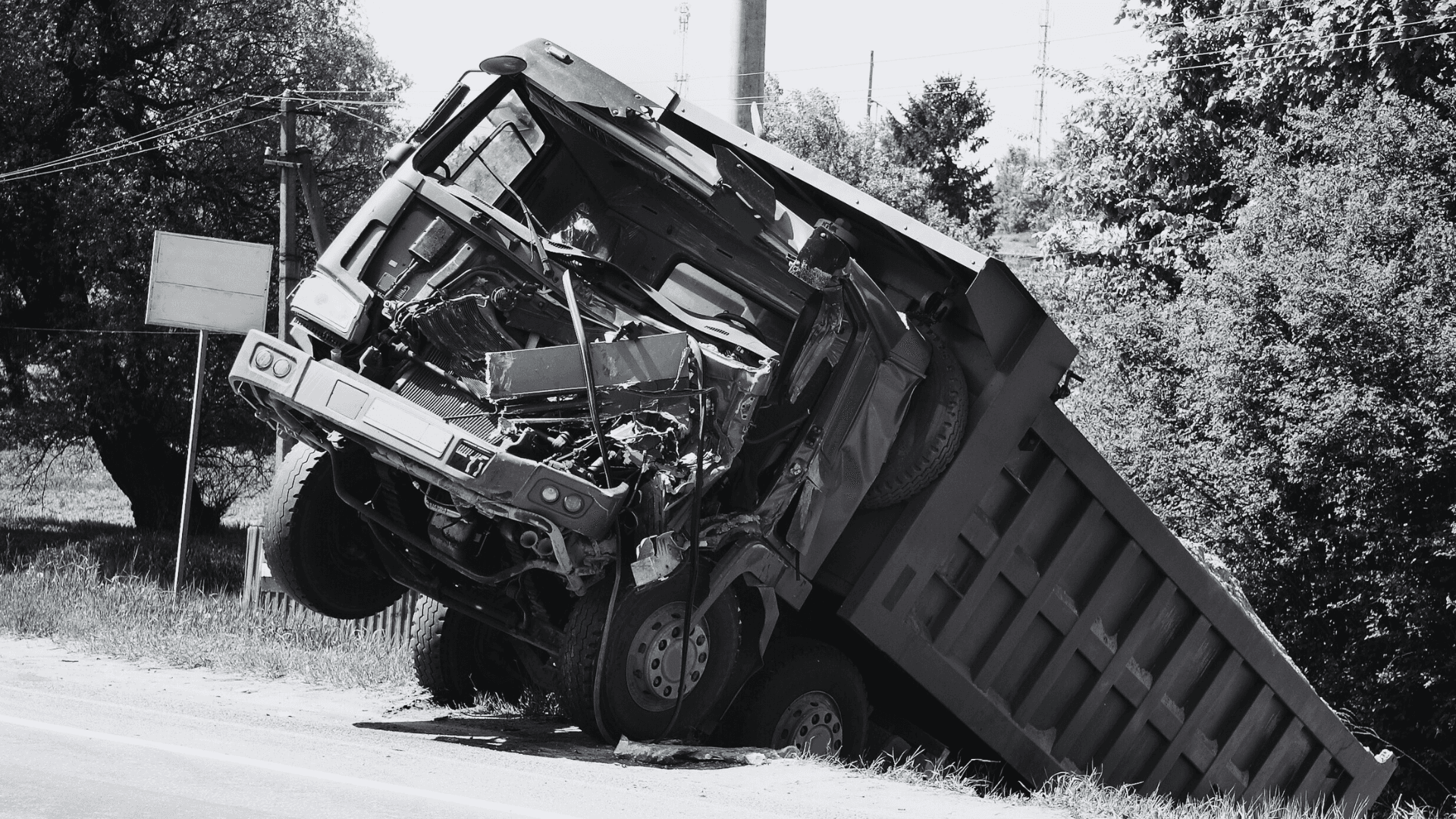
Truck Accident Statistics in Beaumont and Jefferson County
Recent data highlights a concerning trend in truck-related accidents in the Beaumont area:
Fatalities and Accidents: In 2020, Jefferson County, encompassing Beaumont, experienced a 36% increase in traffic-related fatalities, rising from 36 deaths in 2019 to 49 in 2020. While this includes all types of vehicles, the involvement of large trucks in these incidents is notable.
Machinery AccidentHigh-Risk Areas: Interstate 10 (I-10) through Jefferson County has been identified as a high-risk area for truck accidents. Between 2017 and 2019, there were 27 fatal crashes involving large trucks or 18-wheelers in the county, with a significant concentration near downtown Beaumont.
Machinery AccidentStatewide Context: Statewide, Texas reported 32,462 crashes involving commercial motor vehicles (CMVs) in 2020, resulting in 513 fatal crashes and 581 fatalities.
Portner Bond, PLLC
Contributing Factors to Truck Accidents
Several factors contribute to the prevalence of truck accidents in the Beaumont area:
High Traffic Volume: Beaumont’s location along I-10, a major east-west corridor, leads to heavy truck traffic, increasing the likelihood of accidents.
Driver Fatigue: Long-haul truck drivers often operate under tight schedules, leading to fatigue, which impairs reaction times and decision-making abilities.
Weather Conditions: Southeast Texas is prone to sudden weather changes, including heavy rain and fog, which can reduce visibility and road traction, posing challenges for truck drivers.
Road Conditions: Poorly maintained roads, construction zones, and unexpected obstacles can be hazardous, especially for large trucks that require longer stopping distances.
Preventive Measures to Enhance Road Safety
Addressing the dangers of truck accidents requires a multifaceted approach involving drivers, trucking companies, and local authorities:
Education and Training:
For Truck Drivers: Comprehensive training programs focusing on defensive driving, fatigue management, and safe maneuvering are crucial. Institutions like Lovett’s Trucking Academy in Beaumont emphasize hands-on training and safety protocols.
12newsnow.comFor Passenger Vehicle Drivers: Public awareness campaigns can educate motorists about the dangers of tailgating, blind spots, and the importance of giving trucks ample space.
Enforcement of Regulations:
Hours of Service: Strict adherence to regulations limiting driving hours can help mitigate driver fatigue.
Vehicle Inspections: Regular inspections ensure that trucks are mechanically sound, reducing the risk of accidents due to equipment failure.
Infrastructure Improvements:
Road Maintenance: Regular upkeep of highways, including prompt repairs of potholes and clear signage, can prevent accidents.
Construction Zones: Implementing clear signage and reducing speed limits in construction areas can protect both workers and drivers.
Technological Advancements:
Collision Avoidance Systems: Equipping trucks with advanced safety technologies, such as automatic braking and lane-keeping assist, can prevent accidents.
Telematics: Monitoring driver behavior through telematics can help identify risky driving patterns and facilitate corrective actions.
Community Engagement:
Local Initiatives: Community programs that promote safe driving habits and provide resources for accident victims can foster a culture of safety.
Collaboration: Partnerships between local authorities, trucking companies, and community organizations can lead to comprehensive safety strategies.
Conclusion
Truck accidents pose significant dangers on Beaumont’s highways, with statistics indicating a troubling trend in fatalities and injuries. By implementing targeted preventive measures—ranging from education and regulatory enforcement to infrastructure enhancements and technological innovations—stakeholders can work collaboratively to reduce these incidents. Ultimately, a concerted effort from all parties is essential to ensure the safety of all road users in the Beaumont area.