Redlands Car Accidents: How Local Weather Conditions Contribute to Collisions
Redlands car accidents: Learn how weather affects driving safety. Markarian Law Group provides expert legal assistance. Contact us now.
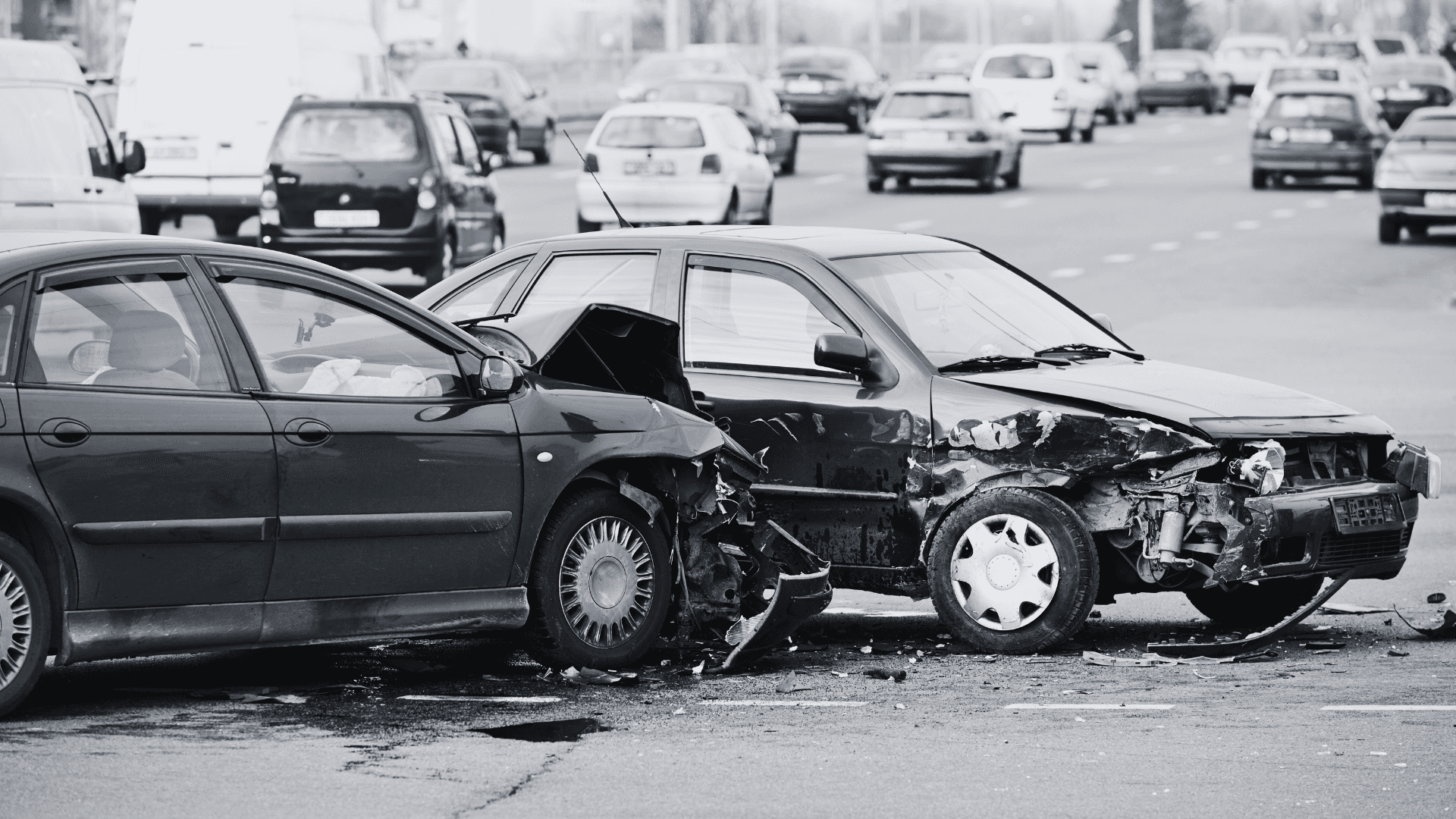
Car accidents are a significant concern for drivers across the United States, and the city of Redlands, California, is no exception. While the city enjoys sunny weather for much of the year, local weather patterns, such as rain and fog, can contribute to dangerous driving conditions. These weather conditions can make the roads slick, reduce visibility, and heighten the risk of accidents. In this blog post, we will examine how weather patterns in Redlands, particularly rain and fog, increase the likelihood of car accidents and offer advice for staying safe while driving in these conditions.
Understanding the Weather in Redlands
Redlands is located in Southern California, an area known for its Mediterranean climate, characterized by mild, wet winters and hot, dry summers. This climate is ideal for outdoor activities and tourism, but it also brings with it particular weather-related challenges for drivers.
While Redlands typically experiences more than 280 sunny days per year, it is no stranger to rainy weather. The winter months, especially from November through March, bring cooler temperatures and increased rainfall. While rainfall in Redlands is not as frequent or heavy as in other parts of the country, even moderate rain can significantly affect driving conditions. Additionally, Redlands sits at the foothills of the San Bernardino Mountains, which makes the area prone to fog, particularly during the fall and winter months.
In this blog post, we will explore how these weather patterns contribute to the risk of car accidents in Redlands and how drivers can adapt to stay safe.
How Rain Increases the Risk of Car Accidents
Rainfall is one of the primary weather-related factors that increase the risk of car accidents. While drivers in Redlands are accustomed to dry conditions, rain creates hazards that can make even the most experienced drivers vulnerable.
1. Reduced Traction on Wet Roads
One of the most significant dangers of driving in the rain is the reduced traction on wet roads. When water accumulates on the road, it creates a slippery surface, making it more difficult for tires to grip the pavement. This can cause cars to lose control, especially when drivers are speeding, taking sharp turns, or making sudden lane changes.
As rain begins to fall, oil, dirt, and debris on the road mix with the water, creating a slick substance that is even more dangerous. The first few minutes of rainfall are the most hazardous because the rain has not had time to wash away these contaminants. Drivers should be cautious during the early stages of rain and reduce their speed to avoid hydroplaning—when the tires lose contact with the road and float on the water’s surface.
2. Longer Stopping Distances
Rain also affects a vehicle’s ability to stop quickly. When roads are wet, the tires require more time and distance to come to a complete stop. This is especially problematic in situations where a driver needs to brake suddenly, such as when encountering a stoplight or another vehicle that has suddenly slowed down.
To account for the increased stopping distance, drivers should maintain a larger following distance between their vehicle and the car ahead. Ideally, drivers should keep at least a 4-second gap between vehicles in wet weather, compared to the standard 2-3 seconds in dry conditions.
3. Reduced Visibility
In addition to the physical changes in the road surface, rain can reduce visibility for drivers. Rain can cause water to build up on windshields, impairing a driver’s ability to see clearly. Drivers should ensure that their wipers are in good condition and that their headlights are on to improve visibility. Additionally, heavy rain can reduce overall visibility, making it difficult for drivers to see other vehicles, road signs, or obstacles in the roadway.
Foggy conditions often accompany rain in Redlands, exacerbating the challenges for drivers. Fog further reduces visibility, making it harder to gauge the distance between vehicles or recognize potential hazards. This combination of reduced visibility and slick road surfaces can significantly increase the risk of car accidents.
The Role of Fog in Car Accidents
Fog is another weather phenomenon that plays a significant role in car accidents in Redlands. While not as common as rain, fog can create particularly dangerous driving conditions. The city’s proximity to the San Bernardino Mountains makes it susceptible to fog, especially during the cooler months.
1. Dramatic Reduction in Visibility
Fog is a unique weather condition because it can drastically reduce visibility over a short distance. Drivers may be able to see only a few feet in front of them, making it difficult to judge the speed and distance of other vehicles. This lack of visibility is especially dangerous on highways, where higher speeds are common.
When driving in foggy conditions, it is essential to slow down and drive with caution. Drivers should use their low-beam headlights to avoid the glare that can occur when using high beams in fog. Additionally, it is important to avoid sudden lane changes or turns, as the limited visibility can make it hard to see other vehicles or obstacles in time.
2. Inconsistent Fog Coverage
Fog is not always uniform, and it can come and go quickly. Drivers may encounter patches of dense fog that reduce visibility significantly, only to emerge into clear conditions moments later. This inconsistency can be dangerous because drivers may become accustomed to the fog and fail to adjust their driving when it lifts, or they may not anticipate the fog returning.
One of the most significant hazards of fog is that it can be difficult to spot vehicles that are either stationary or moving slowly. Drivers may not see a stopped car or slow-moving vehicle in their lane until it is too late to react. This is particularly dangerous for those driving at higher speeds.
How Weather Conditions in Redlands Affect Specific Areas
Redlands is known for its charming downtown area, residential neighborhoods, and proximity to the San Bernardino Mountains. However, specific areas of the city are more prone to accidents during inclement weather, particularly during periods of heavy rain and fog.
1. The 10 Freeway
The 10 Freeway is a major thoroughfare that passes through Redlands, connecting the city to other parts of Southern California. Due to its high traffic volume, the freeway is one of the most accident-prone areas during rainy or foggy conditions. The rain can create slippery surfaces on the freeway, especially during the morning and evening rush hours when traffic is heavy.
During periods of heavy fog, the 10 Freeway can become particularly hazardous because drivers may not be able to see far enough ahead to react to sudden slowdowns or accidents in traffic. The high speed limits and large trucks that use the freeway also increase the risk of serious accidents.
2. Mountain Roads
Redlands’ proximity to the San Bernardino Mountains means that mountain roads in the area are prone to fog and rain. These winding, narrow roads often experience reduced visibility due to dense fog, and rain can cause mudslides or pooling water that makes the roads treacherous. Drivers traveling on mountain roads must take extra precautions when weather conditions worsen.
Safety Tips for Driving in Rain and Fog in Redlands
While it’s impossible to control the weather, drivers can take steps to reduce the risk of accidents during rainy or foggy conditions in Redlands.
Slow Down: Reducing your speed is one of the most important steps to take when driving in poor weather conditions. When roads are slick, take it easy on the gas pedal and avoid sudden braking or accelerating.
Increase Following Distance: Give yourself more time to react to potential hazards by maintaining a larger following distance between your vehicle and the car in front of you.
Use Headlights and Wipers: Always have your headlights on when driving in rain or fog. This improves your visibility and helps other drivers see you. Make sure your windshield wipers are in good condition and replace them regularly.
Avoid Distractions: Pay full attention to the road and avoid using your phone or engaging in other distractions while driving in hazardous weather.
Prepare Your Vehicle: Regularly maintain your vehicle, ensuring that tires, brakes, and windshield wipers are in good working order. This will help your vehicle perform better during wet or foggy conditions.
Conclusion
While Redlands is known for its beautiful, sunny weather, its rainy and foggy conditions can create dangerous driving situations that increase the risk of car accidents. By understanding how weather patterns such as rain and fog contribute to collisions, drivers can take proactive steps to stay safe on the roads. Whether it’s slowing down, increasing following distance, or preparing your vehicle, these precautions can help reduce the risk of accidents and make driving in inclement weather safer for everyone. Stay safe, and always drive with caution when weather conditions change unexpectedly.