What to Know About Filing a Personal Injury Claim After a Truck Accident

Truck accident injury claims involve more parties and higher stakes than ordinary car crashes. Here is what makes them different and how to protect your claim.
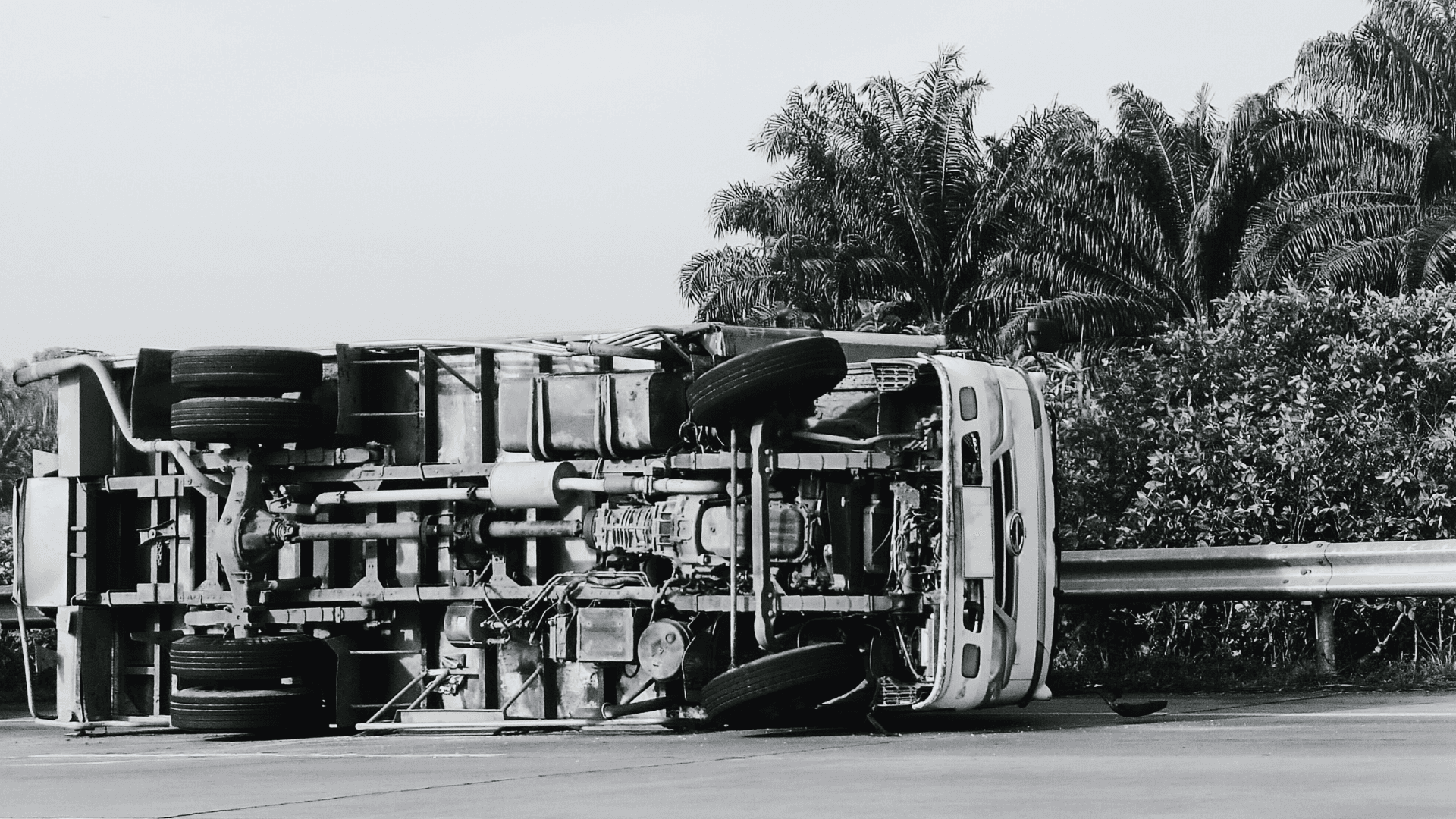
A large commercial semi truck driving on a highway

What to Know About Filing a Personal Injury Claim After a Truck Accident

A collision with a commercial truck rarely looks like an ordinary fender bender. Fully loaded tractor-trailers can weigh twenty to thirty times more than a passenger car, and the physics of that mismatch mean the people in the smaller vehicle usually absorb the worst of the impact. If you or someone you love has been hurt in a truck accident, understanding what makes these claims different is the first step toward getting fair compensation.

Why Truck Accident Injuries Tend to Be Severe

Because of the size and weight difference, truck accidents frequently result in catastrophic injuries: traumatic brain injuries, spinal cord damage, multiple fractures, and in the most serious cases, wrongful death. Recovery often requires extensive medical treatment, long-term rehabilitation, and time away from work that can stretch on for months or years. The value of a truck accident claim needs to reflect all of that, not just the bills that have already come in.

More Than One Party Can Be at Fault

Unlike a typical two-car accident, truck accident cases often involve several potentially responsible parties. The driver may have been fatigued, distracted, or driving too fast for conditions. The trucking company may have pressured the driver to violate hours-of-service rules or skipped required maintenance. A cargo company may have loaded the trailer improperly, causing it to become unstable. In some cases, a defective part contributed to the crash, which brings a manufacturer into the picture as well.

Identifying every liable party matters because it affects how much insurance coverage is available to compensate you. A thorough investigation is often needed to uncover all of them.

Federal Regulations Play a Role

Commercial trucking is governed by federal safety regulations covering how many hours a driver can be on the road, how vehicles must be inspected and maintained, and how cargo must be secured. When a trucking company or driver violates one of these regulations and that violation contributed to the crash, it can be powerful evidence of negligence. Knowing which regulations apply, and how to prove a violation occurred, is a significant part of building a strong claim.

Evidence Disappears Fast

Trucking companies are required to keep certain records, such as driver logs and maintenance history, but only for a limited period of time. Electronic logging device data and dashcam footage can also be overwritten or deleted according to routine company policy. That is why sending a formal notice to preserve evidence as early as possible is so important. Waiting even a few weeks can mean losing access to information that would have proven what really happened.

Trucking Companies Respond Quickly and Aggressively

Large trucking companies typically have investigation teams and insurance adjusters on the scene within hours of a serious crash, working to limit the company’s liability before you have even left the hospital. They are not there to help you. They are there to build a defense. Having your own representation early levels the playing field and ensures your side of the story is documented just as thoroughly as theirs.

What Compensation Can Cover

A truck accident claim can pursue compensation for medical expenses, both current and future, lost income and reduced earning capacity, pain and suffering, property damage, and in fatal cases, wrongful death damages for the surviving family. Because commercial trucking companies are required to carry much larger insurance policies than individual drivers, there is often more available to fully compensate a seriously injured victim, but only if the claim is built and presented properly.

Talk to an Attorney Before You Talk to the Trucking Company’s Insurer

Given the number of parties involved, the regulations at play, and the speed at which evidence can disappear, truck accident claims are not well suited to handling on your own. An experienced personal injury attorney can move quickly to preserve evidence, identify every liable party, and negotiate with commercial insurers from a position of strength. Most offer a free consultation, so there is no cost to finding out what your case may be worth before you make any decisions.

Frequently Asked Questions

Frequently Asked Questions

Frequently Asked Questions

Why are truck accident claims more complicated than car accident claims?

Truck accidents often involve multiple potentially liable parties, including the driver, the trucking company, a cargo loading company, and sometimes a parts manufacturer. Commercial trucks are also subject to federal and state safety regulations that create additional avenues for proving negligence. This complexity is exactly why these cases benefit from experienced legal representation.

Why are truck accident claims more complicated than car accident claims?

Truck accidents often involve multiple potentially liable parties, including the driver, the trucking company, a cargo loading company, and sometimes a parts manufacturer. Commercial trucks are also subject to federal and state safety regulations that create additional avenues for proving negligence. This complexity is exactly why these cases benefit from experienced legal representation.

Why are truck accident claims more complicated than car accident claims?

Truck accidents often involve multiple potentially liable parties, including the driver, the trucking company, a cargo loading company, and sometimes a parts manufacturer. Commercial trucks are also subject to federal and state safety regulations that create additional avenues for proving negligence. This complexity is exactly why these cases benefit from experienced legal representation.

Who can be held liable after a truck accident?

Depending on the circumstances, liability may fall on the truck driver, the trucking company that employs them, the company that owns the truck or trailer, a cargo loading company, or even a parts or vehicle manufacturer if a mechanical failure contributed to the crash. An attorney can investigate the crash to identify every liable party.

Who can be held liable after a truck accident?

Depending on the circumstances, liability may fall on the truck driver, the trucking company that employs them, the company that owns the truck or trailer, a cargo loading company, or even a parts or vehicle manufacturer if a mechanical failure contributed to the crash. An attorney can investigate the crash to identify every liable party.

Who can be held liable after a truck accident?

Depending on the circumstances, liability may fall on the truck driver, the trucking company that employs them, the company that owns the truck or trailer, a cargo loading company, or even a parts or vehicle manufacturer if a mechanical failure contributed to the crash. An attorney can investigate the crash to identify every liable party.

What evidence is important in a truck accident case?

Important evidence includes the police report, driver logs, electronic logging device data, the truck's black box data, maintenance records, the driver's employment history, and photos or video from the scene. Much of this evidence is controlled by the trucking company, which is why it is important to act quickly before records can be lost or overwritten.

What evidence is important in a truck accident case?

Important evidence includes the police report, driver logs, electronic logging device data, the truck's black box data, maintenance records, the driver's employment history, and photos or video from the scene. Much of this evidence is controlled by the trucking company, which is why it is important to act quickly before records can be lost or overwritten.

What evidence is important in a truck accident case?

Important evidence includes the police report, driver logs, electronic logging device data, the truck's black box data, maintenance records, the driver's employment history, and photos or video from the scene. Much of this evidence is controlled by the trucking company, which is why it is important to act quickly before records can be lost or overwritten.

How is compensation different in a truck accident case?

Because truck accident injuries tend to be more severe, settlements and verdicts are often significantly higher than in typical car accident cases. Compensation can include medical expenses, lost wages, long-term care costs, pain and suffering, and property damage. Commercial trucking companies typically carry much higher insurance policy limits than individual drivers.

How is compensation different in a truck accident case?

Because truck accident injuries tend to be more severe, settlements and verdicts are often significantly higher than in typical car accident cases. Compensation can include medical expenses, lost wages, long-term care costs, pain and suffering, and property damage. Commercial trucking companies typically carry much higher insurance policy limits than individual drivers.

How is compensation different in a truck accident case?

Because truck accident injuries tend to be more severe, settlements and verdicts are often significantly higher than in typical car accident cases. Compensation can include medical expenses, lost wages, long-term care costs, pain and suffering, and property damage. Commercial trucking companies typically carry much higher insurance policy limits than individual drivers.

How long do I have to file a truck accident injury claim in California?

In most cases, the statute of limitations for a personal injury claim in California is two years from the date of the accident. However, evidence specific to trucking cases can disappear quickly, so it is best to speak with an attorney as soon as possible after the crash rather than waiting.

How long do I have to file a truck accident injury claim in California?

In most cases, the statute of limitations for a personal injury claim in California is two years from the date of the accident. However, evidence specific to trucking cases can disappear quickly, so it is best to speak with an attorney as soon as possible after the crash rather than waiting.

How long do I have to file a truck accident injury claim in California?

In most cases, the statute of limitations for a personal injury claim in California is two years from the date of the accident. However, evidence specific to trucking cases can disappear quickly, so it is best to speak with an attorney as soon as possible after the crash rather than waiting.

Contact us

Take the First Step Towards Legal Solutions