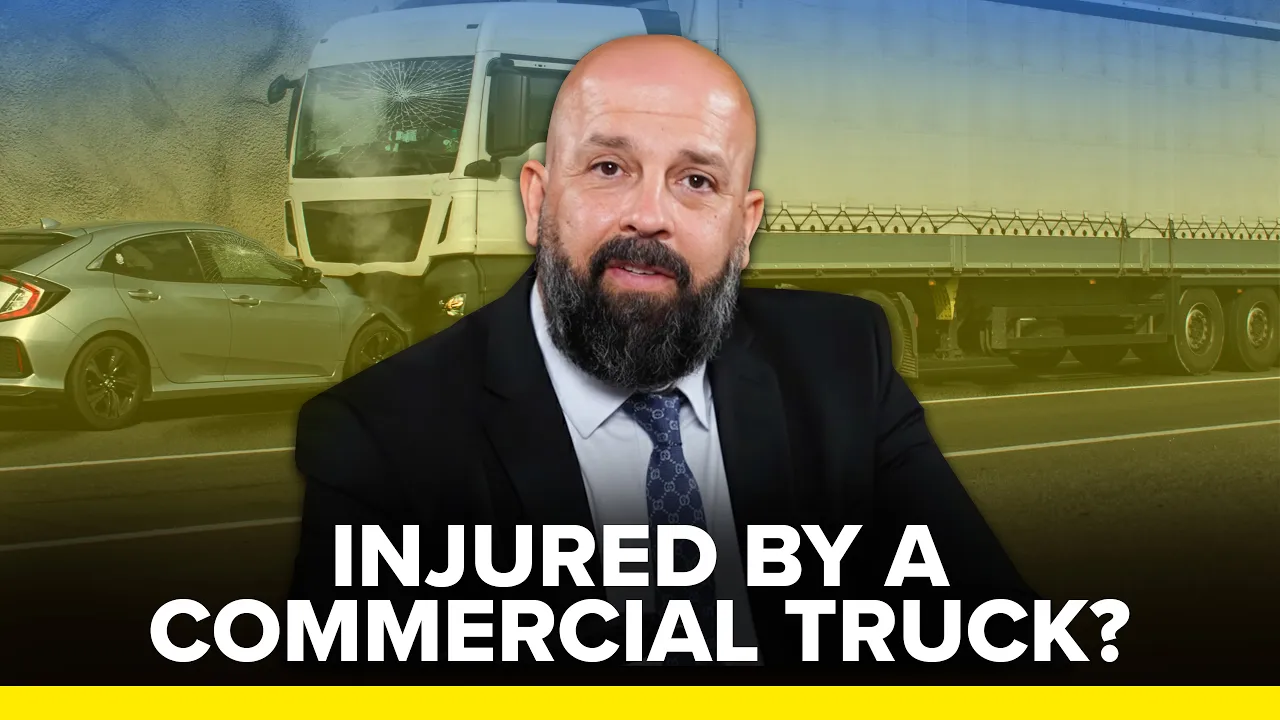
Hit by a Truck in Yucaipa or Beaumont? Who Can Be Held Responsible
After a truck crash on the I-10 or 60, more than one party can be liable. Learn who can be held responsible in California and what evidence matters.
The stretch of I-10 running through Yucaipa, Calimesa and Beaumont carries a steady stream of big rigs heading to and from the warehouses of the Inland Empire. Add the 60 merging in Beaumont, steep grades through the pass and strong winds, and it is no surprise that serious truck crashes happen here regularly.
When a car collides with an 80,000-pound truck, the injuries are often severe and the costs add up fast. One of the first questions victims ask is who will pay. In a car accident, the answer is usually the other driver. In a truck accident, the answer is often several parties at once. Understanding who may be responsible can make a big difference in how much compensation is available.
Why Truck Accident Cases Are Different
Commercial trucking is regulated by federal and state rules covering driver hours, vehicle maintenance, cargo loading, drug testing and insurance. When one of those rules is broken and someone gets hurt, the company that broke it may share responsibility with the driver.
Trucking companies also carry far more insurance than ordinary drivers. Federal rules require interstate carriers hauling general freight to carry at least $750,000 in liability coverage, and many carry more. That higher coverage is one reason trucking companies and their insurers move quickly after a crash to limit what they pay.
Who Can Be Held Responsible After a Truck Crash
The Truck Driver
Drivers can be negligent in the same ways as anyone else: speeding, following too closely, unsafe lane changes, distracted driving or driving under the influence. Truck drivers are also held to specific commercial driving rules, and violations can be strong evidence of fault.
The Trucking Company
In most cases, an employer is responsible for the negligence of an employee acting within the scope of the job. Beyond that, a carrier can be directly responsible for hiring an unqualified driver, failing to train or supervise, pushing unrealistic delivery schedules or ignoring maintenance problems.
Driver fatigue is a common example. The Federal Motor Carrier Safety Administration's hours of service rules limit how long a commercial driver can drive and work before taking required rest. If a company pressured a driver to exceed those limits, the company may share the blame.
The Owner of the Truck or Trailer
Some drivers operate under one company's authority while driving a truck or pulling a trailer owned by another. Leasing arrangements can create responsibility for the owner, particularly when the equipment was poorly maintained.
The Cargo Loader or Shipper
Improperly loaded or secured cargo can shift on the grades through the pass, making a truck unstable or causing a rollover. Overloaded trailers take longer to stop. If a separate company loaded the truck, it may be liable.
Maintenance and Repair Companies
Brake failures, worn tires and faulty lights are common factors in truck crashes. If an outside shop performed poor repairs or missed an obvious problem during an inspection, it may share responsibility.
Parts Manufacturers
When a defective part, such as a brake component or tire, contributes to a crash, the manufacturer can be held responsible under California product liability law.
A Government Agency
Occasionally, dangerous road design, missing signs or poor maintenance plays a role. Claims against public agencies in California have strict rules, including a claim deadline that is often just six months from the injury, so these cases need prompt attention.
The Evidence That Matters Most
Truck crash cases are built on evidence that can disappear quickly. Important records include the truck's electronic control module data, electronic logging device records showing driving hours, dashcam footage, maintenance logs, the driver's employment file, drug and alcohol test results, and dispatch records.
Trucking companies are required to keep some of this information only for limited periods. An attorney can send a preservation letter right away, formally demanding that the company keep the evidence. Waiting even a few weeks can mean losing records that prove what happened.
What If You Were Partly at Fault?
California follows a pure comparative fault system. Even if you share some responsibility for the crash, you can still recover damages, reduced by your percentage of fault. Insurance companies often try to push more blame onto the car driver to reduce what they pay. Our guide to California comparative fault explains how this works.
Steps to Take After a Truck Accident
Get medical care right away, even if you feel okay, since some serious injuries do not show symptoms immediately. Call the police and make sure a report is filed. If you can, photograph the scene, the vehicles, the truck's company name and DOT number, and any visible injuries. Get contact information from witnesses.
Do not give a recorded statement to the trucking company's insurer before speaking with a lawyer. Adjusters may sound friendly, but their job is to limit the claim.
Why Truck Injuries Often Cost More Than Victims Expect
Because of the size difference between a passenger car and a loaded truck, injuries tend to be more serious: spinal injuries, traumatic brain injuries, multiple fractures and injuries that require surgery or long rehabilitation. The full cost often includes future treatment, time away from work and changes to what a person can do for a living. That is why early settlement offers from trucking insurers should be compared against a complete picture of your medical and financial future, not just the bills you have so far.
Talk to a Local Truck Accident Lawyer
Markarian Law Group handles truck accident cases across Yucaipa, Redlands, Beaumont and the surrounding area. Learn more about our truck accident representation or our work as truck accident attorneys in Beaumont. Consultations are free.