What to Do in the First 48 Hours After a Car Accident in San Bernardino County
The 48 hours after a car accident in San Bernardino County shape your entire claim. Here is what to do, what to avoid, and how to protect your case.
What to Do in the First 48 Hours After a Car Accident in San Bernardino County
The 48 hours after a car accident are the most important window of your entire claim. What you do, what you say, and what you document during those two days can make the difference between fair compensation and a frustrating, drawn-out fight with an insurance company that has no interest in paying you.
Most people are not prepared for this. They are shaken, hurting, dealing with a damaged car, and trying to make decisions while their adrenaline is still up. Insurance companies know that. They count on it. The more you know going in, the better your outcome on the other side.
The First Hour Matters More Than You Think
If you are reading this from the side of the road, take a breath. Make sure everyone is safe. If anyone is injured, even slightly, call 911. Do not try to evaluate whether someone needs an ambulance yourself. Let the paramedics make that call.
Once safety is handled, call the police. Even for minor accidents. A police report is the foundation of every successful claim, and without one, your version of events becomes much harder to prove later. In San Bernardino County, officers will respond to almost any accident if you ask. Make the call.
While you wait, do not move vehicles unless they are creating a safety hazard. The positions of the cars tell a story that helps establish what happened.
What to Document at the Scene
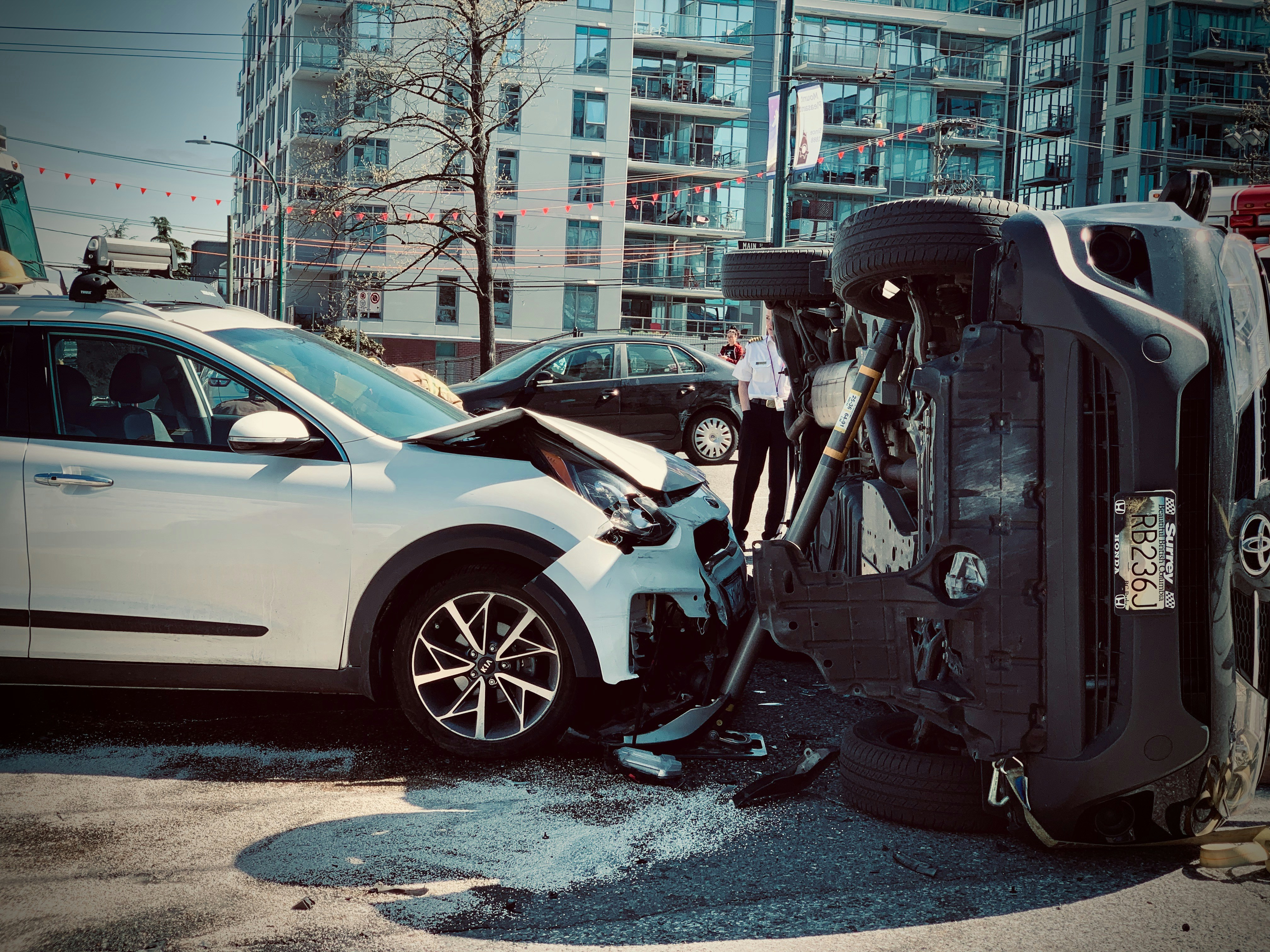
Your phone is one of the most powerful tools you have in those first minutes. Take photos of everything. The damage to all vehicles. The license plates. The scene from multiple angles. Road conditions. Traffic signals. Skid marks. Any debris in the road. Weather conditions. Anything that tells the story of how the accident happened.
Get the other driver's name, phone number, insurance information, license plate, and a photo of their driver's license if they let you. If there are witnesses, get their names and phone numbers before they leave. Witnesses disappear quickly, and a witness statement weeks later is far weaker than one taken at the scene.
Write down or voice-record your own memory of what happened while it is fresh. The exact sequence of events. The speed you were going. What you saw before impact. These details fade fast.
What Not to Say
This is the part most people get wrong. After an accident, there is a natural urge to apologize, to be polite, to smooth things over. Resist it.
Do not say sorry. Do not say it was your fault. Do not say you did not see the other car. Do not speculate about what happened. Anything you say can and will be repeated to the other driver's insurance company, and any phrase that sounds like an admission of fault will be used to reduce or deny your claim.
Be civil. Be calm. Exchange information. But keep statements about fault and cause to yourself. Save those conversations for the police, your attorney, and your own insurance company.
Get Medical Attention, Even If You Feel Fine
Adrenaline is a remarkable thing. It can mask real injuries for hours, sometimes days. People walk away from accidents thinking they are fine and wake up the next morning unable to turn their head, with a headache that will not quit, or with back pain that gets worse every hour.
Go to an emergency room or urgent care within 24 hours, even if nothing hurts. Get checked. Document everything. If you wait three or four days, the insurance company will argue your injuries were not from the accident. They will say if you were really hurt, you would have gone to the hospital sooner. Do not give them that argument.
Whiplash, concussions, soft tissue injuries, and internal trauma often show up late. A medical record from the day of the accident protects both your health and your claim.
Be Careful With the Other Driver's Insurance Company
Within 24 to 48 hours, you will probably get a call from the other driver's insurance adjuster. They will sound friendly. They will sound concerned. They might offer a quick settlement and tell you it is the best you can hope for.
Their job is not to help you. Their job is to close your claim for as little money as possible. Anything you say to them can be used to reduce your settlement. They may ask you to give a recorded statement. You are not required to do this, and you should not do it without legal advice first.
It is reasonable to say, I will be back in touch after I have spoken with my attorney. That single sentence will protect you from making mistakes that cost thousands of dollars.
Talk to an Attorney Before You Settle Anything
Most personal injury attorneys in San Bernardino County offer free initial consultations. You can sit down, explain what happened, and find out what your case is actually worth before you ever sign anything or accept an offer.
This is the step that separates people who get fair settlements from people who leave money on the table. An experienced attorney knows what your medical bills, lost wages, and pain and suffering are worth. They know how insurance companies negotiate, and they know what arguments work in our local courts.
If the accident was not your fault, you should not have to pay out of pocket for someone else's mistake. Get the advice. Even if you decide not to hire anyone, the consultation alone is worth your time.