Common Causes of Truck Accidents in Redlands and How to Avoid Them
Redlands truck accidents: Learn the causes and how to stay safe. Markarian Law Group provides legal help after truck accidents.
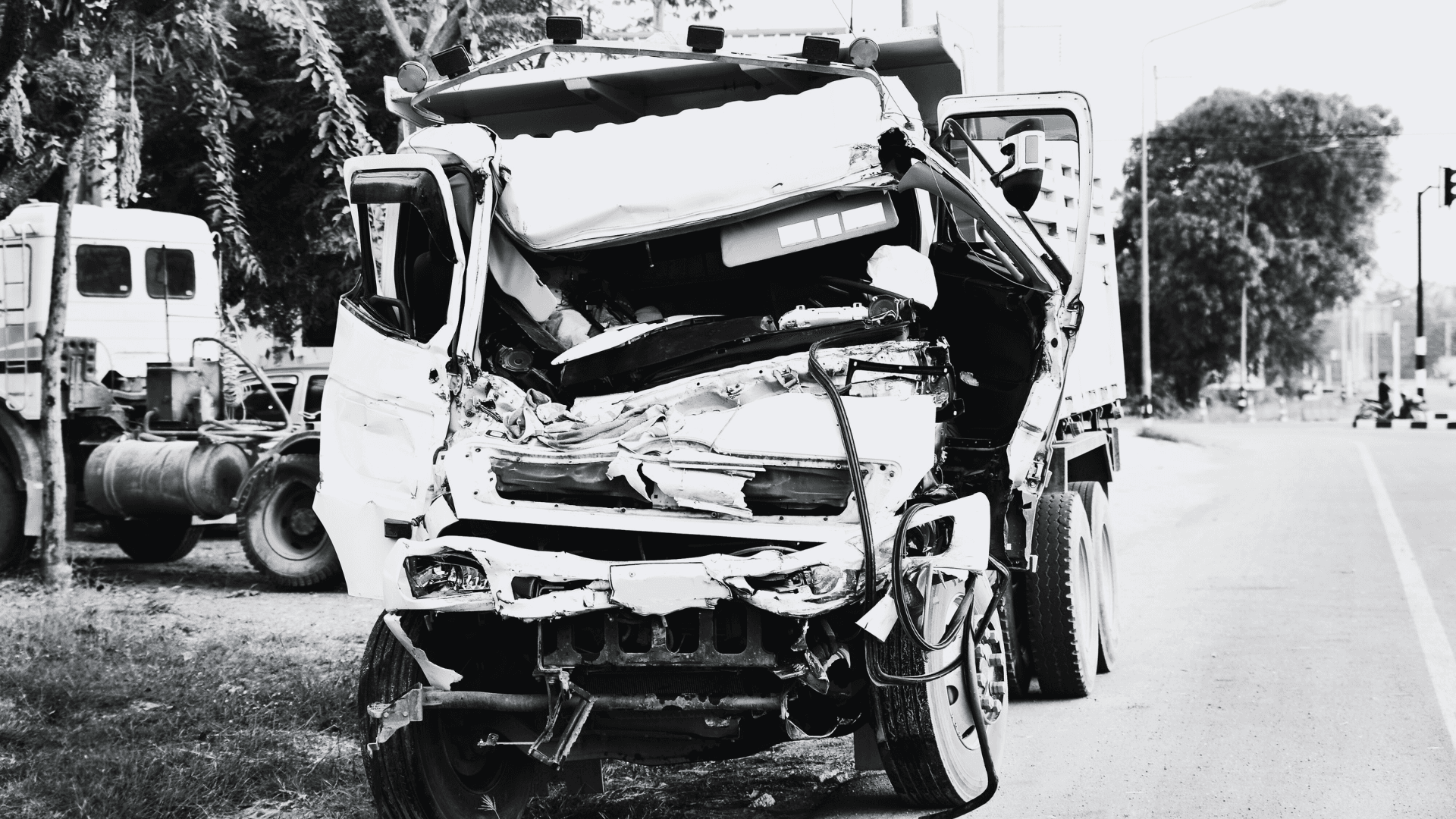
Truck accidents are among the most devastating types of road incidents, often resulting in severe injuries, fatalities, and significant property damage. In Redlands, a city nestled in the heart of Southern California, the presence of major highways and increasing traffic volumes contributes to a heightened risk of truck-related accidents. Understanding the common causes of these incidents and how to prevent them is critical for drivers, trucking companies, and policymakers alike.
Fatigue: The Silent Risk Factor
Fatigue is a leading cause of truck accidents across the country, and Redlands is no exception. Truck drivers often face long hours behind the wheel, tight delivery schedules, and insufficient rest breaks, leading to drowsy driving. Fatigue impairs a driver’s reaction time, decision-making ability, and overall alertness—a dangerous combination when operating a large vehicle.
How to Avoid Fatigue-Related Accidents:
Adhere to Hours-of-Service Regulations: The Federal Motor Carrier Safety Administration (FMCSA) mandates specific limits on driving hours to prevent fatigue. Employers should ensure their drivers comply with these regulations.
Promote Rest and Recovery: Trucking companies should foster a culture that prioritizes drivers’ well-being by encouraging adequate sleep and regular breaks.
Use Technology: Fatigue-monitoring systems, such as wearable devices and in-cab alerts, can help detect early signs of drowsiness and prompt drivers to rest.
Driver Education: Regular training on the risks of fatigue and strategies for staying alert can help drivers make informed decisions.
Mechanical Failures: When the Equipment Fails
Mechanical failures, such as brake malfunctions, tire blowouts, and engine issues, are another significant cause of truck accidents in Redlands. Poor vehicle maintenance, defective parts, or improper inspections can lead to catastrophic failures on the road.
How to Prevent Mechanical Failures:
Routine Inspections: Trucking companies and drivers should perform pre-trip and post-trip inspections to identify and address potential issues.
Regular Maintenance: Adhering to a strict maintenance schedule ensures that all components, from brakes to tires, remain in optimal condition.
Invest in Quality Parts: Using high-quality and certified replacement parts reduces the risk of equipment failure.
Stay Updated on Recalls: Manufacturers occasionally issue recalls for defective parts. Staying informed and addressing recalls promptly can prevent accidents.
Large Vehicle Blind Spots: The Danger Zones
Trucks have significant blind spots, also known as “no-zones,” which pose a risk to smaller vehicles. These blind spots are located directly in front of the truck, behind the trailer, and on both sides—particularly on the right side. Drivers of smaller vehicles who linger in these zones are at higher risk of collisions.
How to Mitigate Blind Spot Risks:
Educate Passenger Vehicle Drivers: Public awareness campaigns can inform drivers about truck blind spots and encourage them to avoid lingering in no-zones.
Advanced Camera Systems: Modern trucks can be equipped with blind-spot cameras and sensors to alert drivers of nearby vehicles.
Proper Mirror Adjustment: Ensuring that mirrors are correctly aligned enhances a truck driver’s field of vision.
Use Turn Signals Early: Truck drivers should signal well in advance of lane changes or turns to give other motorists ample warning.
Distracted Driving: A Growing Concern
Distracted driving, including texting, eating, or using in-cab technology, is a common contributor to truck accidents. The sheer size and weight of trucks amplify the consequences of even a momentary distraction.
How to Combat Distracted Driving:
Implement Strict Policies: Trucking companies should establish and enforce rules against using mobile devices while driving.
Hands-Free Technology: Encourage the use of hands-free communication tools to minimize distractions.
Driver Training: Regularly remind drivers of the dangers of distractions and the importance of staying focused on the road.
Public Awareness: Broader campaigns can address the dangers of distracted driving for both truck drivers and passenger vehicle operators.
Weather-Related Hazards: Nature’s Challenges
Redlands experiences diverse weather conditions, including heavy rain and fog, which can create hazardous driving conditions. Slippery roads, reduced visibility, and strong winds make it challenging for truck drivers to maintain control.
How to Manage Weather-Related Risks:
Monitor Weather Reports: Drivers should stay informed about weather conditions and adjust their routes and schedules accordingly.
Adjust Driving Techniques: Reduce speed, increase following distances, and use headlights appropriately during adverse weather.
Equip Trucks for Weather: Use appropriate tires and ensure windshield wipers and defrosters are in working condition.
Training for Adverse Conditions: Provide specialized training on driving in rain, fog, and other challenging conditions.
Overloading and Improper Loading
Improperly loaded cargo can destabilize a truck, leading to rollovers or difficulty in stopping. Overloading a vehicle increases strain on its braking system and tires, further elevating accident risks.
How to Address Loading Issues:
Follow Weight Limits: Adhere to federal and state weight restrictions to prevent overloading.
Secure Cargo Properly: Use straps, braces, and other securing methods to keep cargo stable.
Regular Inspections: Ensure that loads are balanced and secured during pre-trip inspections.
Training for Loaders: Educate personnel on proper loading techniques and the importance of weight distribution.
Inexperienced Drivers: A Hidden Risk
Driving a truck requires specialized skills and experience. Inexperienced or inadequately trained drivers may struggle with vehicle handling, especially in challenging situations like navigating Redlands’ busy highways and intersections.
How to Improve Driver Competency:
Comprehensive Training Programs: Trucking companies should invest in robust training programs that cover vehicle operation, safety protocols, and defensive driving techniques.
Mentorship Opportunities: Pairing new drivers with experienced mentors can accelerate skill development.
Regular Skill Assessments: Periodic evaluations ensure drivers maintain high competency levels.
Encourage Licensing Compliance: Ensure all drivers hold the appropriate Commercial Driver’s License (CDL) and endorsements for the type of truck they operate.
The Role of Local Infrastructure and Traffic Patterns
Redlands’ infrastructure and traffic patterns also contribute to truck accidents. Congested roads, poorly designed intersections, and a mix of urban and highway environments create unique challenges.
How to Improve Infrastructure Safety:
Enhance Road Design: Invest in better signage, lighting, and lane markings, particularly on high-traffic routes.
Monitor High-Risk Areas: Use data to identify accident-prone locations and implement targeted improvements.
Promote Collaboration: Local authorities, trucking companies, and community groups can work together to address infrastructure issues.
Encourage Smart Traffic Solutions: Technology like adaptive traffic signals and truck-only lanes can help reduce congestion and accidents.
Conclusion
Truck accidents in Redlands stem from a variety of factors, including driver fatigue, mechanical failures, blind spots, and local traffic conditions. Addressing these risks requires a multi-faceted approach involving truck drivers, companies, policymakers, and other road users. By prioritizing safety, investing in technology, and fostering education, Redlands can reduce the frequency and severity of truck accidents, creating safer roads for everyone.