Car Accident Lawyer in Inland Empire: What to Do After a Crash
A car accident can disrupt your life in seconds. Whether the crash happened on the 10 Freeway, the 215, or a busy intersection in Riverside or San Bernardino.
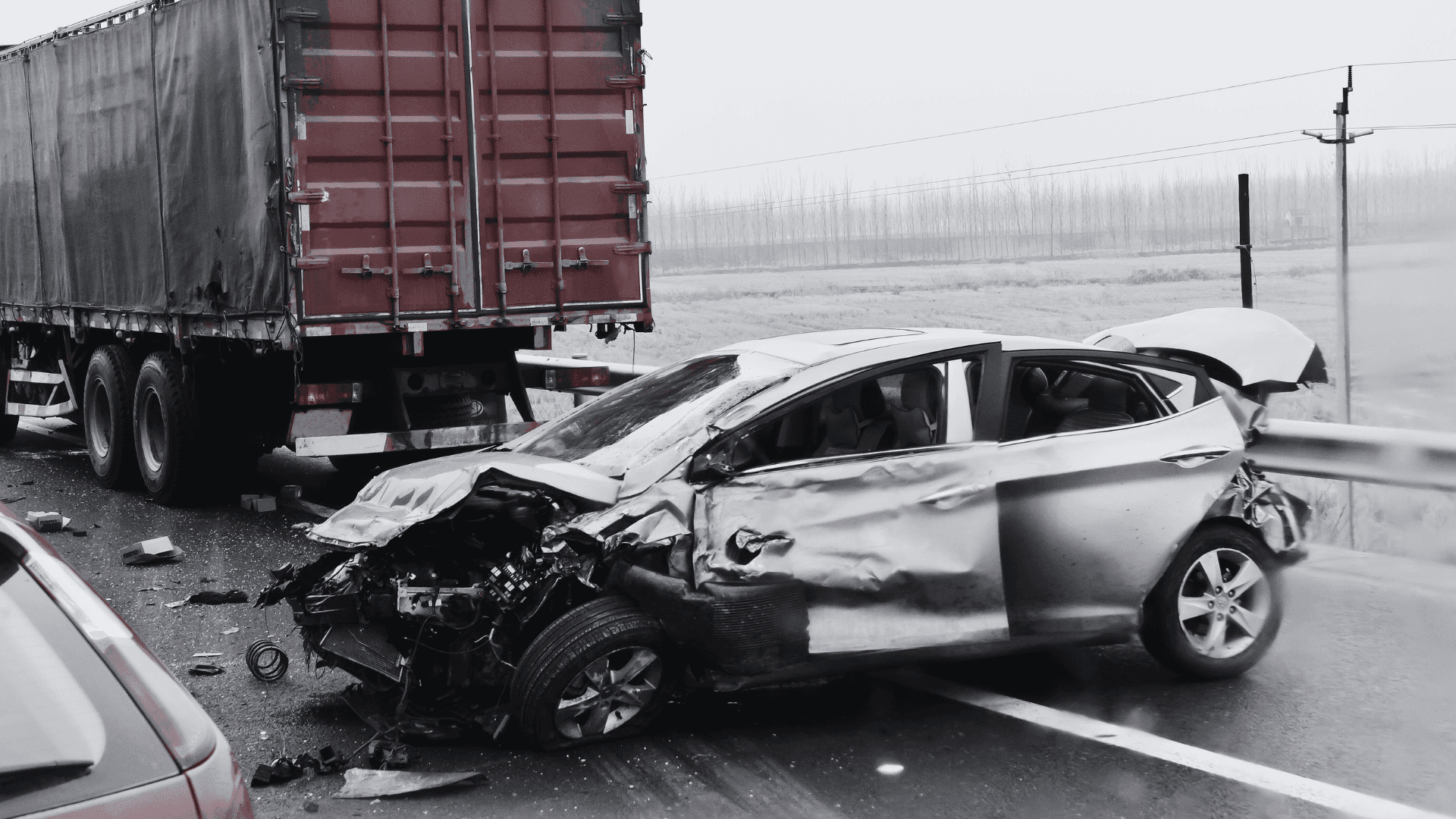
A car accident can disrupt your life in seconds. Whether the crash happened on the 10 Freeway, the 215, or a busy intersection in Riverside or San Bernardino, what you do in the first hours and days after the collision can significantly affect your health and your financial recovery. If you are searching for a car accident lawyer in Inland Empire, it usually means the insurance process has already become complicated. The right steps early on protect both your medical recovery and your legal position.
Immediately after a crash, safety comes first. Call emergency services, seek medical attention, and ensure a police report is filed. Even if injuries appear minor, documentation is critical. Many serious injuries, including soft tissue damage and traumatic brain injuries, do not fully manifest until hours or days later. Prompt medical evaluation creates a clear timeline between the accident and your injuries, which becomes essential evidence in any injury claim.
Once you are safe, begin preserving evidence. Take photographs of vehicle damage, skid marks, road conditions, traffic signals, and visible injuries. Collect contact information from witnesses. If possible, note the exact location, time, and sequence of events. A seasoned car accident lawyer in Inland Empire will later use this information to reconstruct liability and counter insurance disputes.
Insurance companies typically contact accident victims quickly. Their objective is not to maximize your recovery; it is to minimize payout exposure. Adjusters may request recorded statements or offer early settlements before the full extent of injuries is known. Accepting a premature settlement can permanently waive your right to pursue additional compensation. Before providing recorded statements, it is prudent to consult with a car accident lawyer in Inland Empire who understands regional insurance tactics and California liability standards.
Under California law, fault is governed by a comparative negligence system. This means your compensation can be reduced if you are found partially responsible for the accident. Understanding how fault percentages affect damages is critical before negotiating. You can review the statutory foundation under California Civil Code Section 1714
Timing also matters. In most cases, California provides two years from the date of injury to file a personal injury lawsuit. Missing this deadline can eliminate your right to recovery. The statute is outlined under California Code of Civil Procedure Section 335.1
An experienced car accident lawyer in Inland Empire will immediately calculate deadlines, preserve surveillance footage, obtain traffic collision reports, and secure medical documentation. Early investigation strengthens negotiation leverage and prevents critical evidence from disappearing.
Beyond immediate steps, you should also avoid common post-accident mistakes. Do not post about the crash on social media. Do not downplay your injuries during medical visits. Follow all treatment recommendations. Insurance carriers routinely analyze medical gaps and inconsistent statements to challenge credibility. Consistency in documentation builds case value.
Compensation in a car accident case can include medical expenses, future treatment costs, lost income, diminished earning capacity, property damage, and pain and suffering. In severe collisions involving long-term disability, damages may also account for future rehabilitation and life-care planning. Proper valuation requires analysis of medical records, employment history, and, in some cases, expert testimony. A qualified car accident lawyer in Inland Empire approaches this process methodically, ensuring no category of damages is overlooked.
Ultimately, the goal is not just to file a claim. It is to position your case strategically. Strong documentation, disciplined communication, and readiness to litigate if necessary are what influence insurance behavior. The right legal representation transforms uncertainty into structured action.